Eyeglasses Prescription Near Me 2025
Ready for clearer vision? Discovering where to get an "eyeglasses prescription near me" is the first step to finding your perfect pair. This guide helps you navigate obtaining your vital vision details and explores convenient options for purchasing prescription eyewear, including exploring selections available directly via this link: https://www.mozaer.com/search?q=eyeglasses prescription near me.
【Decoding Your Eyeglasses Needs】
Understanding Your Vision & Prescription
When you decide to shop eyeglasses, the first fundamental step is understanding your vision requirements. Your eyeglass prescription is more than just numbers; it's a precise map indicating how your sight needs to be corrected. Learning what each part means empowers you to choose the right lenses and eyewear, making the process smoother whether online or in a store in 2025. It helps ensure the optical centers of your new glasses align perfectly for the clearest possible sight.
Key elements of an eyeglass prescription
Navigating your prescription is crucial. Here are the key components you'll find:
Sphere (SPH): This value indicates the main power of the lens. A minus (-) sign means you are nearsighted (myopia), needing correction for distant objects. A plus (+) sign means you are farsighted (hyperopia), requiring help focusing on things up close. The number itself shows the strength of the vision correction needed. This is the most common part of any
eyeglassesprescription.Cylinder (CYL): This number corrects astigmatism, a condition caused by an irregularly shaped cornea or lens, leading to blurred or distorted vision at all distances. If this column is empty or says "PL" (Plano), you don't have astigmatism that requires correction. It's a specific type of vision issue addressed by specialized lenses.
Axis: If you have a CYL value, an Axis number will also be present, ranging from 1 to 180 degrees. This indicates the orientation or angle at which the astigmatism correction should be positioned within the lens. The Axis and CYL work in tandem to provide sharp vision for individuals with astigmatism.
ADD: Standing for "Added power" or "Addition," this value is used for multifocal lenses like bifocals or progressives. It represents the extra magnification needed for reading or other close-up tasks. This is commonly needed for presbyopia, the natural loss of near-focus ability with age. It's usually the same value for both eyes.
PD (Pupillary Distance): This measurement is the distance in millimeters between the centers of your pupils. An accurate PD is essential for correctly positioning the optical center of each lens in your chosen
frames. Getting this right ensures your eyewear provides optimal visual clarity and comfort. You might need to measure this yourself if shopping online.
Understanding these elements demystifies your prescription and is the first step towards selecting eyeglasses that provide accurate vision correction. Knowing exactly what you need makes finding the right lenses simple. This detailed knowledge helps you when you shop for your exact prescription glasses, ensuring your lenses match your doctor's specifications perfectly.
Identifying Your Face Shape & Style Preferences
Once you understand your vision needs, the next step when you shop eyeglasses is finding frames that fit well and look great on you. Your face shape is a significant factor in determining which eyewear styles are most flattering. But it's not just about shape; your personal style, lifestyle, and what makes you feel confident are equally important considerations when choosing your next pair of glasses. Finding the perfect frame style can truly enhance your appearance.
Face Shapes and Suitable Frames
Different face shapes are complemented by different frame styles. Here's a guide based on common shapes:
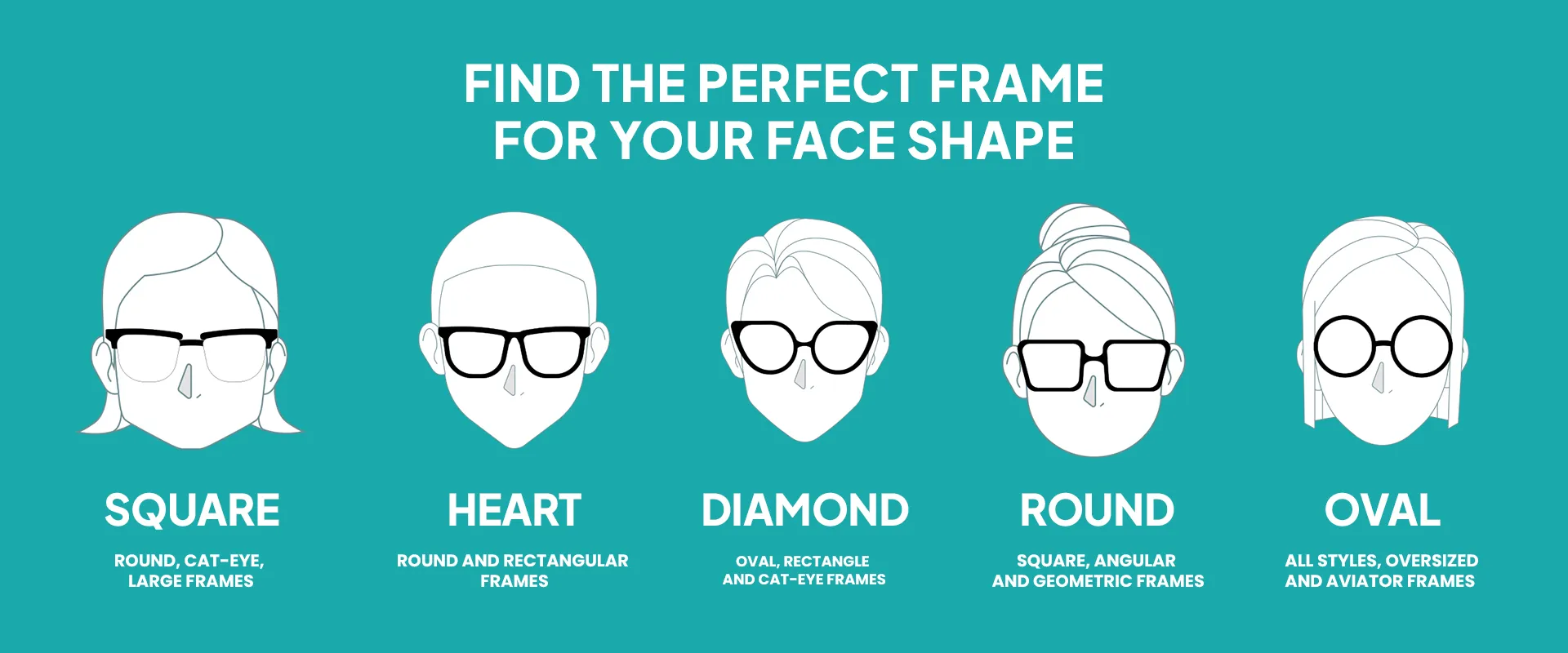
Oval: An
oval face shapeis considered ideally proportioned, with balanced features and a gently rounded jawline. This versatility means nearly any frame style works well, including geometric shapes, bold oversized frames, or timeless aviators. You have the freedom to experiment with trends and classic styles when youshop eyeglassesfor an oval face.Round: A
round facetypically has soft curves, full cheeks, and similar width and length. To add definition and create angles, angular or rectangular frames are an excellent choice. Browline styles or frames with strong lines can also help to visually lengthen the face and provide contrast to soft features.Square: Individuals with a
square facehave a strong, broad jawline and a similarly broad forehead. To soften these prominent features, opt forframeswith curves, such as round or oval shapes. Cat-eye styles can also be very flattering, adding a lift and softening effect to the face's angles.Heart: A
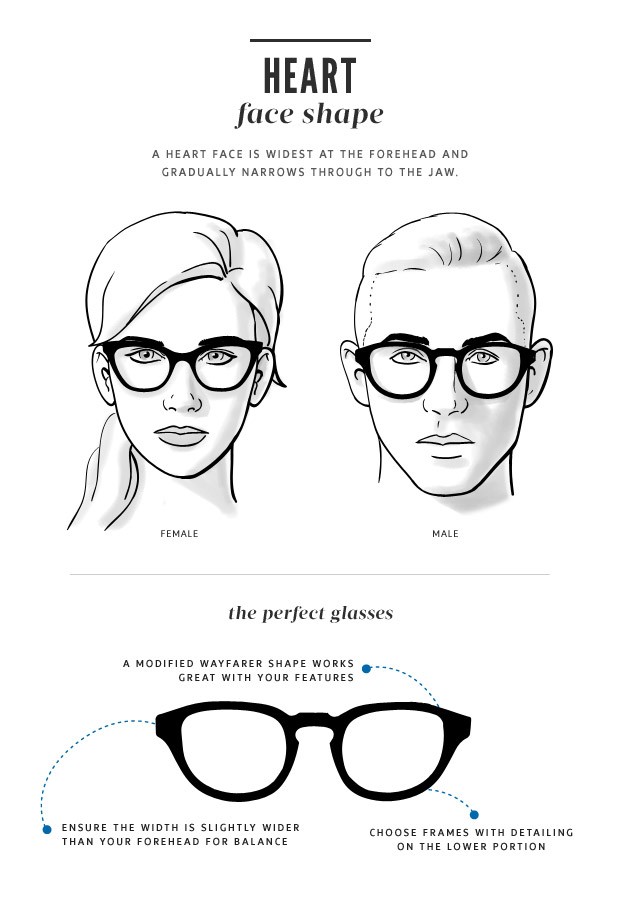
heart-shaped faceis widest at the forehead, with high cheekbones and a narrow, often pointed chin. Frames that are wider at the bottom or have detailed lower rims can help balance the face's proportions. Rimless frames, cat-eye, or butterfly styles can draw attention downwards and add width near the jawline.Diamond: The
diamond face shapeis characterized by narrow forehead and jawline, with broad, dramatic cheekbones being the widest point.Framesthat highlight the eyes and soften the cheekbones are ideal. Look for styles with strong brow lines, oval shapes, or rimless bottom designs. Unique colors or patterns can also accentuate this distinct face shape when youshop eyeglasses.
Considering your face shape and style preferences is vital for selecting frames that you'll love wearing. Knowing what shapes complement your features makes the process of finding the perfect pair of eyeglasses much more effective and enjoyable. This guidance helps you confidently find stylish and flattering frames that enhance your natural look.
Ready to find your perfect pair? Shop eyeglasses today and experience clear vision and great style.
【Where to Shop Eyeglasses: A Comprehensive Guide】
Finding the perfect pair of eyeglasses is a crucial step after understanding your prescription and face shape. In 2025, you have more options than ever before when deciding where to shop eyeglasses. From traditional brick-and-mortar stores offering personalized service to vast online platforms providing convenience and value, the choices can seem overwhelming. This guide breaks down the pros and cons of popular avenues to help you make the best decision for your vision needs and style preferences.
Brick-and-Mortar Optical Shops: Pros and Cons
Traditional optical shops have long been the go-to destination for eyeglasses. These physical locations offer a familiar experience, providing direct access to eye care professionals and the ability to physically interact with frames before purchasing. They remain a strong option for many shoppers seeking hands-on assistance and precision fitting for their eyewear.
Benefits of Traditional Optical Shops
One of the main advantages of choosing a traditional optical shop is the level of personalized service you receive. Trained opticians are available to help you navigate frame choices, understand your prescription, and ensure the lenses are properly centered for optimal vision. This one-on-one assistance can be invaluable, especially for complex prescriptions or first-time wearers.
The ability for physical try-on is a significant benefit. You can see exactly how different frames look and feel on your face, assessing the fit, weight, and overall style in person. This eliminates guesswork and helps ensure the eyewear you choose is comfortable and flattering before you commit to buying. Trying on frames physically guarantees you find the right aesthetic and feel. This direct interaction helps you to shop for eyeglasses that fit comfortably and look great in person.
Moreover, traditional optical shops excel in providing precise measurements. Skilled opticians can accurately measure your pupillary distance (PD), segment height (for progressive lenses), and other critical fitting parameters. These measurements are essential for ensuring your lenses are correctly positioned within the frames, which is vital for clear and comfortable vision, particularly with higher prescriptions or complex lens types. Accurate measurements are key when you shop eyeglasses requiring exact fitting for your specific vision needs.
Drawbacks of Traditional Optical Shops
Despite the benefits, traditional optical shops often come with higher prices. Their overhead costs, including rent, staff salaries, and extensive inventory, are typically higher than online competitors. These costs are often passed on to the consumer, making eyeglasses purchased in a physical store potentially more expensive than comparable options found online. This can be a significant factor for budget-conscious shoppers.
Another potential drawback is the limited selection of frames. While a physical store will have a curated collection, their inventory is inherently smaller than the vast catalogs offered by large online retailers. You might find fewer styles, brands, or color options readily available compared to browsing online, which can be restrictive if you have a very specific style in mind or are looking for niche brands. The physical constraints mean the selection is less extensive than when you shop eyeglasses from a vast online inventory with endless choices.
Online Eyeglasses Retailers: Are They Reliable?
Online retailers have revolutionized how people shop eyeglasses, offering unparalleled convenience and often lower prices. The market has grown significantly in 2025, with many reputable companies providing robust virtual try-on tools and detailed guides. However, buying eyewear online also presents its own set of challenges and considerations regarding fit and quality.
Advantages of Online Retailers
One of the most compelling reasons to shop eyeglasses online is the potential for lower prices. With reduced overhead compared to brick-and-mortar stores, online retailers can often offer frames and lenses at significantly more affordable rates. Sales, discounts, and bundled deals are also common, providing opportunities for substantial savings on your eyewear purchase. Cost-effectiveness is a major draw for online platforms. These cost savings make it easier to shop budget-friendly eyeglasses options without compromising on style.
The sheer wider selection available online is another major advantage. Online retailers typically boast vast inventories featuring thousands of frames from numerous brands, styles, and price points. You can easily filter options by shape, color, material, brand, and even specific features, making it simpler to find exactly what you're looking for without being limited by store stock. This expansive selection caters to diverse tastes and needs. The extensive range means you can shop eyeglasses from the widest available selection of styles and brands.
Convenience is a key factor driving the popularity of online eyewear shopping. You can shop from home or anywhere with internet access, at any time that suits you, day or night. There's no need to travel, adhere to store hours, or wait in lines. The entire process, from browsing and trying on virtually to placing your order, can be completed at your leisure from your computer or mobile device. This ease of access is highly appealing. For ultimate ease, you can shop eyeglasses conveniently online anytime that suits your schedule.
Risks of Online Retailers
While convenient, buying eyeglasses online carries some risks. The most significant challenge is the potential for inaccurate fit. Virtual try-on tools and measurements you take yourself might not be as precise as a professional fitting by an optician. Frames might sit differently on your face than anticipated, or the temple length and bridge width might not be comfortable, leading to eyewear that doesn't fit properly. Ensuring a good fit sight unseen can be tricky. This difficulty highlights the importance of knowing your measurements precisely when you shop eyeglasses and prioritize accurate fit.
Quality concerns can also arise with online purchases. While many online retailers offer high-quality products, it can be difficult to assess the materials and workmanship of the frames and lenses without physically inspecting them. There's a potential risk of receiving eyeglasses made with lower-quality materials than expected, which might affect their durability and overall appearance. It's wise to research retailers and read customer reviews carefully. To mitigate risks, it's crucial to find reliable suppliers when you shop eyeglasses from trusted and quality-checked sources.
Finally, buying eyeglasses online relies heavily on you having an accurate prescription. You typically need to manually enter your prescription details during the order process. Any errors in transcribing the prescription or having an outdated prescription can result in receiving lenses that do not provide the correct vision correction. Unlike an optical shop where an optician verifies details, the responsibility often falls on the customer. Having an up-to-date prescription is essential when you shop eyeglasses online using your current prescription.
Exploring Unique Retail Options
Beyond traditional optical shops and large online platforms, the eyewear market in 2025 is seeing the rise of unique retail models. These options often blend aspects of physical presence with online convenience or leverage existing large retail footprints to offer eyeglasses in new ways. Exploring these alternatives can provide different price points, service levels, and shopping experiences.
Warby Parker at Target
In a notable move, Target is integrating Warby Parker eyeglass "shop-in-shops" into select stores. This initiative, set to appear within five Target locations across Illinois, Minnesota, New Jersey, Ohio, and Pennsylvania in 2025, creates a hybrid retail experience. Customers can browse and try on a curated selection of Warby Parker frames directly within the convenience of a Target store.
These shop-in-shops leverage the foot traffic and accessibility of Target while providing a dedicated space for eyewear. It offers a chance to experience the Warby Parker brand and assess frames physically before potentially ordering in-store or online. This model aims to capture shoppers who appreciate both physical interaction and the brand's value proposition. This unique partnership allows you to shop Warby Parker eyeglasses inside select Target stores for a convenient try-on experience.
Costco Optical
Costco Optical provides a popular alternative for members looking to shop eyeglasses. Located within Costco warehouses, these optical centers offer competitive pricing on frames and lenses. A key benefit is the availability of eye exams conducted by independent doctors of optometry, allowing members to get their prescription updated and purchase eyewear in one trip.
Another advantage is Costco Optical's service offering, including free adjustments for any eyeglasses purchased there, as well as potentially for glasses bought elsewhere. This maintenance service adds value. While the selection of eyewear designs might be more conventional compared to fashion-forward boutiques or vast online catalogs, Costco Optical focuses on providing reliable, affordable options for its members seeking practical glasses. For members, this offers a convenient place to shop eyeglasses and get free adjustments within their regular warehouse visit.
Ready to explore your options and find your ideal frames? shop eyeglasses today and step into clear vision and effortless style.
【Saving Money on Shop Eyeglasses: Smart Shopping Strategies】
Finding the right pair of eyeglasses doesn't have to break the bank in 2025. With rising healthcare costs, consumers are increasingly looking for ways to save money on essential items like eyewear. Fortunately, there are several smart strategies you can employ to reduce the cost when you shop eyeglasses, whether you prefer traditional optical shops or online retailers.
Leveraging Insurance and FSA/HSA Accounts
One of the most effective ways to lower the out-of-pocket cost of eyeglasses is by utilizing your available health benefits. Understanding how your vision insurance works and leveraging tax-advantaged accounts like FSAs and HSAs can lead to significant savings on your purchase.
Utilizing Vision Insurance
If you have vision insurance as part of your benefits package, make sure you fully understand its coverage. Plans typically offer benefits towards routine eye exams, frames, and lenses. There might be specific allowances for frames and lenses, a co-pay for the exam, or discounts on certain lens options.
Check your plan's details regarding in-network providers. Visiting an optical shop or eye doctor that is in your plan's network often results in lower costs or higher allowances compared to going out-of-network. Contact your insurance provider directly or check their website for a list of participating locations before you shop eyeglasses. Knowing your insurance benefits upfront helps you budget effectively when you shop eyeglasses and utilize your vision coverage.
Using FSA/HSA Funds
Flexible Spending Accounts (FSAs) and Health Savings Accounts (HSAs) are excellent tools for saving money on qualified medical expenses, including eyewear. Contributions to these accounts are made with pre-tax dollars, meaning you reduce your taxable income. This makes any eligible purchase, including eyeglasses, effectively cheaper.
You can use funds from your FSA or HSA to cover the cost of prescription eyeglasses, contact lenses, and even reading glasses. These funds can also be used for eye exams and various lens options or coatings. They are particularly useful for covering costs that exceed your vision insurance benefits or for paying for items not covered by insurance. Using these accounts wisely can help you pay for necessary vision correction when you shop eyeglasses using tax-advantaged FSA/HSA funds.
Seeking Discounts and Promotions
Beyond insurance, actively looking for deals and comparing prices across different retailers is a crucial step in saving money when you shop eyeglasses. The market is competitive, offering various opportunities for discounts if you know where to look.
Look for Online Deals
Online eyewear retailers are well-known for offering competitive pricing and frequent promotions. Before making a purchase, always check the retailer's website for current sales, discount codes, or special offers. Signing up for their email newsletters can often provide exclusive discounts or alerts about upcoming sales events.
Some retailers, like 1-800 Contacts (which also sells eyeglasses), frequently offer promotions. However, when using online platforms, especially for prescriptions, double-check the accuracy of the information you enter to ensure your lenses are made correctly. Seeking out online deals can significantly reduce the upfront cost when you shop eyeglasses and find great online promotions.
Compare Prices
One of the simplest yet most effective strategies is to compare prices from multiple retailers once you have your up-to-date prescription. Don't assume the first place you look offers the best price. Traditional optical shops, online retailers, and even big-box stores like Costco Optical can have vastly different pricing structures for comparable frames and lenses.
Based on 2022 data, consumers paid a median of $224 out of pocket for glasses, or $205 after vision insurance benefits were applied. This contrasts sharply with the median price at traditional optical shops, which cost people $511 out of pocket in the same year. This data highlights the potential savings found by comparing prices, especially between physical and online options. Comparing costs across various vendors helps you find the most value when you shop eyeglasses by comparing prices from different retailers.
Understanding Lens Options and Add-ons
When you shop eyeglasses, the cost isn't just about the frames. Lenses and the various lens options or coatings you choose can significantly impact the final price. Understanding what each add-on does and whether you truly need it can help you make smarter purchasing decisions and avoid unnecessary expenses.
Anti-Reflective Coating
An anti-reflective coating (also known as anti-glare coating) is designed to reduce reflections on the surface of your lenses. This improves vision by allowing more light to pass through the lens and reduces eye strain, especially when working on computers or driving at night where glare from screens or headlights can be distracting.
While beneficial, these coatings add to the cost. As Susswein noted, eye doctors and opticians should clearly disclose the costs of these extras. Decide if the benefits outweigh the additional expense for your specific needs. Understanding the purpose helps you choose wisely when you shop eyeglasses with essential anti-reflective coatings.
UV Protection
Protecting your eyes from harmful ultraviolet (UV) rays is crucial for long-term eye health. Exposure to UV radiation can contribute to conditions like cataracts and macular degeneration. Most modern lenses, especially polycarbonate ones, come with UV protection already integrated into the lens material at no extra cost.
However, it's wise to confirm this with your retailer or optician. Avoid paying extra for a UV protection coating if the feature is already inherent in the type of lens material you've chosen. Ensuring adequate UV protection is vital when you shop eyeglasses that provide critical UV protection for eye health.
Scratch-Resistant Coating
Scratch-resistant coating is a hard coating applied to the surface of lenses to make them more durable and less prone to scratching from daily wear and tear. While no lens is completely scratch-proof, this coating can help extend the lifespan of your eyeglasses, keeping your vision clear for longer.
Considering the investment in lenses, a scratch-resistant coating is often a worthwhile add-on for many people, particularly those who are active or less careful with their eyewear. It's a small added cost upfront that can save you money on replacements in the long run. Protecting your investment with this feature is smart when you shop eyeglasses and add scratch-resistant lens coatings for durability.
Blue Light Glasses
Blue light glasses feature lenses specifically designed to filter out a portion of high-energy visible (HEV) blue light, particularly wavelengths between 400 nm and 450 nm, emitted by digital screens like computers, smartphones, and tablets. The purpose is often cited as alleviating digital eye strain, potentially improving sleep patterns disrupted by screen use before bed, and offering theoretical protection against potential retinal damage from prolonged exposure.
While the long-term benefits and necessity of blue light glasses for everyone are still debated in the scientific community, they have become a popular add-on. Understand the claims and decide if this is a feature you need based on your screen time habits and symptoms. This option adds to the cost, so evaluate its value for you. Considering this feature helps you decide if it's worth the added expense when you shop eyeglasses with optional blue light filtering lenses.
Ready to find stylish and affordable frames? shop eyeglasses today and step into clear vision and effortless style.
【Choosing the Right Eyeglasses: A Step-by-Step Guide】
Finding the perfect pair of eyeglasses involves more than just picking out stylish frames. It's a multi-step process that starts with understanding your vision needs and ends with selecting the right lenses and comfortable eyewear. Let's walk through the essential steps to make an informed choice when you decide to shop eyeglasses in 2025.
Step 1: Getting an Eye Exam and Prescription
Before you even think about browsing frames or lenses, the absolute first step is to get an up-to-date comprehensive eye exam. This ensures you have the correct prescription, which is fundamental to choosing the right eyeglasses. An eye exam also checks your overall eye health.
Optometrist vs. Ophthalmologist
When seeking an eye exam, you'll typically visit either an optometrist or an ophthalmologist. Understanding the difference is helpful. Optometrists are eye doctors who diagnose and treat common eye diseases and vision problems. They are the primary practitioners for prescribing eyeglasses and contact lenses.
Ophthalmologists, on the other hand, are medical doctors who provide total eye care. They perform eye surgery and treat more complex eye conditions in addition to diagnosing vision problems and prescribing eyewear. For a routine eye exam and prescription, an optometrist is usually sufficient and is where most people start their journey to shop eyeglasses.
Understanding the Importance of Regular Eye Exams
Regular eye exams are crucial, not just for updating your prescription, but for detecting potential health issues. As Greenberg recommended, visiting eye specialists yearly is vital. They can identify over 200 conditions and diseases during a comprehensive eye exam, including serious concerns like macular degeneration, diabetes, and even brain tumors, often before you notice any symptoms.
Having a current and accurate prescription is non-negotiable when you plan to shop eyeglasses, whether online or in an optical shop. It guarantees that the lenses you get will provide the clear and comfortable vision you need. Getting your eye exam is the foundation for successfully finding your next pair of shop eyeglasses with a precise prescription.
Step 2: Selecting Frames That Flatter
Once you have your valid prescription, the fun begins: choosing your frames! The frames are the most visible part of your eyewear and reflect your personal style. However, selecting the right frames involves considering factors beyond just aesthetics, such as material, fit, and suitability for your lifestyle.
Frame Materials
Eyeglass frames come in a variety of materials, each offering different characteristics in terms of weight, durability, flexibility, and appearance. Acetate is a popular plastic option; it's durable, lightweight, and comes in an extensive range of colors and patterns.
Metal frames offer a sleek, modern look. They can be very thin and are often hypoallergenic, making them suitable for sensitive skin. Titanium is a premium metal choice – incredibly lightweight, exceptionally strong, and highly resistant to corrosion, making Titanium frames very durable but often more expensive. Choosing the right material impacts the comfort and longevity of your shop eyeglasses frames based on material preference.
Considering Lifestyle and Needs
Your lifestyle significantly influences the best type of frames and lenses for you. If you are active or play sports, durable frames with features like non-slip nose pads and temples might be necessary to keep your eyewear secure.
For those who spend a lot of time reading or working on a computer, comfort is key, suggesting lightweight frames with a proper fit that don't pinch or slide. Computer use might also necessitate considering blue light blocking lenses to potentially reduce eye strain from screens. Matching your frames and lenses to your daily activities ensures maximum functionality when you shop eyeglasses tailored to your lifestyle and needs.
Step 3: Choosing the Right Lenses
While the frames are about style, the lenses are about vision correction. Choosing the right type of lenses based on your prescription and visual needs is critical. Various lens options are available, each designed to address specific vision requirements.
Single Vision Lenses
Single Vision Lenses are the most common type of eyeglass lenses. They are designed to correct vision at only one distance. This means they correct either nearsightedness (difficulty seeing far objects) or farsightedness (difficulty seeing near objects), or astigmatism, all at a single focal point. If your prescription is only for distance or only for reading, you will likely need single vision lenses for your eyeglasses.
Progressive Lenses
For people who need correction for multiple distances, Progressive Lenses (sometimes called multifocal lenses) are an excellent solution. The provided information mentions Varilux Progressive Lenses as an example. These lenses seamlessly transition between different powers, correcting vision at far, intermediate, and near distances within a single lens, without the visible lines found in bifocals or trifocals. They are primarily used to address presbyopia, the common age-linked decline in near vision that typically begins around age 40, allowing wearers to see clearly at all ranges with one pair of eyewear.
Transition Lenses
Transition Lenses, also known as photochromic lenses, offer convenience by automatically adjusting their tint based on light conditions. As shown in the reference, these eyeglasses darken when exposed to UV exposure and bright light outdoors, acting like sunglasses, and become clear indoors. This feature is ideal for those who frequently move between indoor and outdoor environments and want the flexibility of two pairs of eyewear in one.
Lens Index
The Lens Index refers to the refractive index of the lens material. A higher lens index means the material bends light more efficiently. This allows lenses for stronger prescriptions to be made thinner and lighter than if they were made with a lower index material. High-index lenses are particularly beneficial for individuals with strong prescriptions as they significantly improve the aesthetics and comfort of thick eyeglasses. Choosing the right lens index is crucial for comfort and appearance, especially with higher vision correction needs when you shop eyeglasses and select appropriate lens options.
Ready to find stylish and affordable frames? shop eyeglasses today and step into clear vision and effortless style.
【Maintaining and Adjusting Your Eyeglasses】
Once you've successfully navigated the process to shop eyeglasses and found the perfect pair of frames and lenses, the journey isn't quite over. Proper eyeglass maintenance is key to ensuring clear vision, comfort, and the longevity of your eyewear. This includes knowing how to clean them correctly and make minor adjustments.
Proper Cleaning Techniques
Keeping your eyeglasses clean is essential. Dirty lenses can obscure your vision and cause eye strain. Regularly cleaning your eyeglasses not only ensures optimal clarity but also helps prevent scratches on your lenses, maintaining their condition over time.
Cleaning Solutions
The best way to clean your eyeglass lenses is with a dedicated lens cleaning solution and a microfiber cloth. First, rinse your eyeglasses under lukewarm running water to remove any dust or debris that could scratch the lenses during cleaning. Then, apply a small amount of lens cleaning solution to both sides of the lenses. Gently rub the lenses and frames with your fingertips. Finally, rinse thoroughly and dry with a clean, dry microfiber cloth. This method effectively removes smudges and dirt without damaging the lenses.
It's crucial to avoid using harsh chemicals, such as ammonia-based cleaners or window cleaner, on your eyeglasses. These abrasive materials can damage the lens coatings (like anti-reflective or scratch-resistant layers) and even the frame material. Also, resist the urge to wipe your lenses with shirt tails, paper towels, or tissues, as these contain fibers that can scratch delicate lens surfaces. Using the right tools for cleaning eyeglasses protects your investment and keeps your vision sharp. Ensuring you have the right cleaning supplies is part of maintaining your purchase when you shop eyeglasses and accessory kits.
Adjusting Your Frames for Comfort
Even the best-fitting eyeglasses might need minor adjustments over time due to daily wear or accidental bumps. A properly adjusted pair of eyeglasses sits comfortably on your face, doesn't slide down, and provides optimal visual alignment. Knowing how to make small tweaks or when to seek professional help is important for maintaining a comfortable fit for your eyewear.
DIY Adjustments
For minor comfort issues, you can often perform simple DIY eyeglasses adjustments yourself. If your eyeglasses are slipping down your nose, you might try gently bending the end of the temples (the arms that go over your ears) slightly downward to create a more secure curve behind your ears. If the frames feel too tight, you can try slightly widening the angle of the temples outwards. Sometimes, a loose hinge screw can make frames feel unstable. You can use a tiny screwdriver (often found in eyeglasses repair kits) to gently tighten screws on the hinges, but be very careful not to overtighten, which can strip the screw or damage the frame. Having a small repair kit on hand can be very helpful for these situations after you shop eyeglasses and need minor home maintenance.
Professional Adjustments
While DIY adjustments are useful for minor tweaks, some issues require professional eyeglasses adjustment. Significant bends in the frames, broken parts, or persistent discomfort despite your efforts are signs it's time to visit an optical shop. Professionals have the right tools and expertise to safely heat and reshape frames (especially plastic or metal ones) to achieve a perfect fit without risking damage.
Interestingly, as mentioned in the information, some retailers like Costco will provide free adjustments to any eyeglasses, regardless of whether you purchased them there or not. This is a valuable service for keeping your frames in optimal condition. Seeking professional adjustments ensures your eyeglasses fit correctly, providing the most comfortable eyewear experience and preventing potential issues like headaches or nose bridge irritation. Knowing where to get professional help keeps your investment performing well after you shop eyeglasses and need ongoing support.
Making Your Eyeglasses Purchase
Securing an accurate prescription is just the beginning of your journey to clearer vision. We've explored key factors like understanding your prescription details (Sphere, Cylinder, Axis, ADD, Prism, PD), where to get an eye exam (Optometrists, Ophthalmologists, Retail Shops), and the distinct advantages of buying glasses locally versus from top online retailers like GlassesUSA, Warby Parker, EyeBuyDirect, and Zenni Optical. We also covered navigating the purchase process, including crucial considerations like frame materials, lens types and coatings, choosing styles based on your face shape, understanding how to use vision insurance, HSA/FSA funds, and special considerations for veterans.
Now that you have the knowledge to make an informed decision about your eyewear needs, it's time to explore the vast options available. Click the affiliate link below to browse a wide selection of frames and lenses tailored to your "eyeglasses prescription near me" needs and discover convenient shopping from the comfort of your home. Start your search for the ideal prescription eyewear and earn commission on qualified purchases!
[Find Your Prescription Eyewear Here](https://www.mozaer.com/search?q=eyeglasses prescription near me)


Comments
Post a Comment