Eyeglasses Prescription Near Me 2025
Ready for clearer vision? Discovering where to get an "eyeglasses prescription near me" is the first step to finding your perfect pair. This guide helps you navigate obtaining your vital vision details and explores convenient options for purchasing prescription eyewear, including exploring selections available directly via this link: https://www.mozaer.com/search?q=eyeglasses prescription near me.
Understanding Your Eye Prescription for Rx Lenses

Decoding the Numbers and Letters on Your Prescription
When you receive an eye prescription after your exam, it might look like a jumble of numbers and letters. But each part tells you something crucial about your vision and the specific rx lenses you need to see clearly. Understanding these terms is the first step toward getting the right prescription lenses.
This section breaks down the common abbreviations and values you'll find. Knowing what each means empowers you to discuss your needs with your eye care professional or when choosing eyeglasses online.
OS, OD, and OU: What They Mean
These abbreviations refer to your eyes. OD stands for oculus dexter, meaning your right eye. OS stands for oculus sinister, meaning your left eye. OU stands for oculus uterque, which means both eyes. Prescriptions often list values separately for OD and OS.
Sphere (SPH): Correcting Nearsightedness and Farsightedness
The Sphere value indicates the main power of the lens needed to correct your vision. It addresses whether you are nearsighted (myopia) or farsighted (hyperopia).
Negative numbers in the Sphere column (- SPH) correct nearsightedness. This means distant objects appear blurry. The higher the negative number, the stronger the correction needed for distance vision.
Positive numbers (+ SPH) correct farsightedness. This means near objects appear blurry. The higher the positive number, the stronger the correction needed for reading or close-up tasks.
Cylinder (CYL) and Axis: Addressing Astigmatism
Approximately 33% of people in the U.S. have eyes that aren’t perfectly sphere-shaped. This common refractive error is called astigmatism.
The Cylinder (CYL) value indicates the amount of lens power needed to correct astigmatism. It accounts for the irregular shape of your cornea or lens. If you have no astigmatism, this column might be left blank or say SPH or PL (Plano).
The Axis value is a number between 1 and 180 degrees. It specifies the orientation for the Cylinder power. Both CYL and Axis are required together to correct astigmatism accurately with prescription lenses.
Add: Understanding Bifocal and Progressive Lenses
The Add power is an additional magnification added to the bottom part of the lens for reading or close-up work. This is common for people experiencing presbyopia, the natural age-related loss of near focusing ability, typically starting in your 40s.
Bifocals have a clear-cut and noticeable line between your distance prescription on top and your reading prescription on the bottom.
Progressive lenses, also known as no-line bifocals, have a lens that slowly transitions between your distance prescription and your near prescription, offering clear vision at intermediate distances too. The "Add" value applies to both types of multifocal rx lenses.
Prism: Correcting Double Vision
Prism correction is used to treat vision conditions like double vision (diplopia), which can result from eye alignment problems. It helps align the images seen by each eye.
The Prism value indicates the amount of prismatic power, and a base direction shows where the thickest edge of the prism should be placed. Common abbreviations for base direction include BU (Base Up), BD (Base Down), BI (Base In, towards the nose), and BO (Base Out, towards the temple). This is a less common part of rx prescriptions.
PD (Pupillary Distance): Ensuring Proper Lens Centration
Your Pupillary Distance (PD) is the distance between the centers of your pupils. This measurement is crucial for ensuring that the optical center of your rx lenses aligns correctly with the center of your pupils.
Accurate PD ensures optimal clarity and prevents eye strain, especially in progressive rx lenses. While an eye doctor measures this, some online retailers provide tools for you to measure it yourself.
Why Your Prescription Matters
Your eye prescription is more than just numbers; it's a precise mapping of your vision needs. It dictates the exact power and design of the prescription lenses required for you to see comfortably and clearly for various tasks, whether reading, working on a computer, or driving.
Using an outdated or incorrect prescription for your eyeglasses can lead to headaches, eye strain, and less-than-optimal vision correction. It's vital to keep your prescription current.
How Often Should You Get an Eye Exam?
Regular eye exams are essential not only for updating your prescription but also for checking your overall eye health. As of 2025, it is generally recommended to get a comprehensive eye exam every two years.
However, an annual eye exam is advised for children, seniors, individuals with existing eye conditions (like glaucoma or macular degeneration), and those with underlying health conditions like diabetes, which can affect eye health.
Expiration Dates on Prescriptions
Yes, eye prescriptions do expire. Typically, they are valid for one to two years, depending on your location and eye health. After the expiration date, you will need a new eye exam to get an updated prescription for new rx lenses. This ensures that your eyeglasses continue to provide the most accurate and effective vision correction.
Specialized Rx Lenses for Modern Needs

As technology advances and our lifestyles evolve, so do the types of rx lenses available. Beyond standard prescription lenses for everyday vision correction, specialized options are emerging to meet unique demands, from integrating with digital realities to protecting eyes from screen time and providing comfort during sports or while wearing gear like helmets.
This section explores some innovative rx lenses designed for contemporary challenges and activities.
AR Eyewear and 3D Printed Lenses
Integrating prescription lenses into augmented reality (AR) glasses has been a technical challenge. Traditional manufacturing methods struggled to create rx lenses that were both thin enough to fit into sleek AR frames and robust enough to house integrated electronics without compromising optical quality or durability.
Customers searching for AR glasses who also need vision correction require a seamless solution that doesn't feel bulky or look different from standard eyeglasses.
3D Printing Revolutionizing Prescription Lenses
3D printing is significantly changing the landscape of prescription lenses, particularly for integrating with modern technologies like augmented reality. This innovative process allows for unprecedented precision and customization.
For example, Luxexcel has partnered with Lumus to 3D print AR-ready prescription lenses. This collaboration focuses on embedding the complex optics needed for AR displays directly within the structure of the rx lenses, addressing the need for thinner, more durable lenses that can be indistinguishable from standard non-prescription eyeglasses in appearance. This approach solves the problem of trying to layer or attach traditional rx lenses to existing AR display technology, which often resulted in cumbersome designs.
Benefits of 3D Printed Prescription Glasses
The primary advantage of 3D printed prescription glasses lies in their capability for complex customization and the seamless integration of smart device components directly within the lens material. This means optical corrections for vision can be precisely combined with waveguides or other elements required for AR displays.
For customers, this translates into rx lenses that offer perfect vision correction while simultaneously providing access to augmented reality features, all within a form factor that looks and feels like regular eyeglasses. This level of integration is difficult, if not impossible, with traditional lens manufacturing techniques. If you're exploring cutting-edge rx lenses that merge vision correction with future technology, exploring 3D printed options is key.
Blue Light Blocking Glasses
In 2025, screen time continues to be a major part of daily life for many. Computers, smartphones, and tablets emit blue light, a high-energy visible light that has raised concerns about its potential impact on eye health and sleep patterns.
People spending long hours in front of screens often look for ways to mitigate potential negative effects, driving interest in blue light blocking glasses, including those with prescription lenses. They want to know if these glasses work and what benefits they offer for their vision comfort.
The Science Behind Blue Light and Digital Eye Strain
Blue light is a color in the visible light spectrum that has a short wavelength and thus high energy. While natural blue light from the sun helps regulate our circadian rhythm (sleep-wake cycle), prolonged exposure to artificial blue light from digital screens is associated with symptoms like digital eye strain. This can manifest as dry eyes, blurred vision, headaches, and neck and shoulder pain.
Concerns also exist about the potential long-term impact of blue light exposure on retinal health, although research is ongoing in this area. Addressing digital eye strain is a common reason people seek out specialized rx lenses.
Are Blue Light Glasses Effective?
The effectiveness of blue light glasses is a topic of ongoing discussion. While some studies show limited clinical benefit in reducing digital eye strain symptoms, many users report feeling more comfortable and experiencing less fatigue after wearing them, particularly when using screens for extended periods.
The mechanism is that these prescription lenses are treated with filters or coatings designed to absorb or reflect a portion of the blue light spectrum emitted by screens. The degree of blue light blocking varies significantly between different lens products and manufacturers.
Benefits of Blue Light Blocking Lenses
Users who find blue light blocking lenses beneficial report a reduction in symptoms associated with digital eye strain, such as eye fatigue and dryness. By filtering out some of the high-energy blue light, these rx lenses may contribute to greater visual comfort during prolonged screen use.
Additionally, because blue light, particularly in the evening, can interfere with melatonin production – a hormone that regulates sleep – blocking it with specialized prescription lenses may help promote better sleep patterns. Some companies, like TrueDark, offer Rx eyewear with varying degrees of blue light blocking tailored for different times of day or light conditions. Choosing rx lenses with a blue light blocking feature can be a solution for digital discomfort. blue light filter lenses
Rx Eyeglasses for Active Lifestyles
Active individuals who require vision correction need eyeglasses that can keep up with their movements, provide clear sight in various conditions, and remain comfortable while wearing sports gear or equipment. Standard prescription lenses and frames are often not designed for these specific needs.
Customers looking for rx lenses for activities like cycling, flying, or other sports need solutions that offer secure fit, durability, wide field of vision, and compatibility with helmets, headsets, or goggles.
Prescription Cycling Sunglasses
Clear vision is paramount for safety and performance when cycling. Prescription cycling sunglasses combine the necessary rx lenses correction with the protective features of sports eyewear, such as impact resistance, UV protection, and often, wrap-around designs for enhanced peripheral vision and wind protection.
Brands are catering specifically to this need. Zenni Optical, for instance, introduced Zunnies™ Cycling, a line of prescription-ready sport sunglasses. These frames are designed to accommodate rx lenses while providing the secure fit and durability required for the demands of cycling. Finding the right rx lenses for your bike rides is crucial.
Comfortable Prescription Glasses for Helmets and Headsets
Pilots, motorcyclists, skiers, and others who regularly wear helmets or headsets often experience discomfort and pressure from traditional prescription glasses frames pressing against their head or interfering with the seal of the gear. This discomfort can be distracting and even painful over long periods.
Specialized prescription lenses frames are designed with ultra-thin temples (arms) or unique materials that lie flat against the head, minimizing pressure points. Flying Eyes Optics, for example, offers eyewear specifically designed for use with helmets and headsets. Their designs address the discomfort and visual distortion caused by traditional frames, ensuring that customers needing rx lenses can wear their required gear comfortably and maintain optimal vision.
Lightweight Prescription Eyewear Options
For any active lifestyle or even just for everyday comfort, lightweight prescription eyewear is highly desirable. Heavy frames or lenses can slide down the nose, cause pressure marks, and become uncomfortable during prolonged wear or physical activity.
Manufacturers use advanced materials for both frames (like titanium or specialized plastics) and rx lenses (high-index materials make lenses thinner and lighter for the same prescription) to reduce overall weight. Seeking out lightweight options for your prescription lenses enhances comfort, making them feel almost unnoticeable, which is a significant benefit whether you're running a marathon or working at a desk. Choosing rx lenses that are lightweight contributes significantly to overall wearing comfort.
If you're looking for specialized rx lenses for any of these modern needs, you can often find options designed to fit your lifestyle and provide optimal vision. rx lenses
Finding the Right Rx Lenses for You
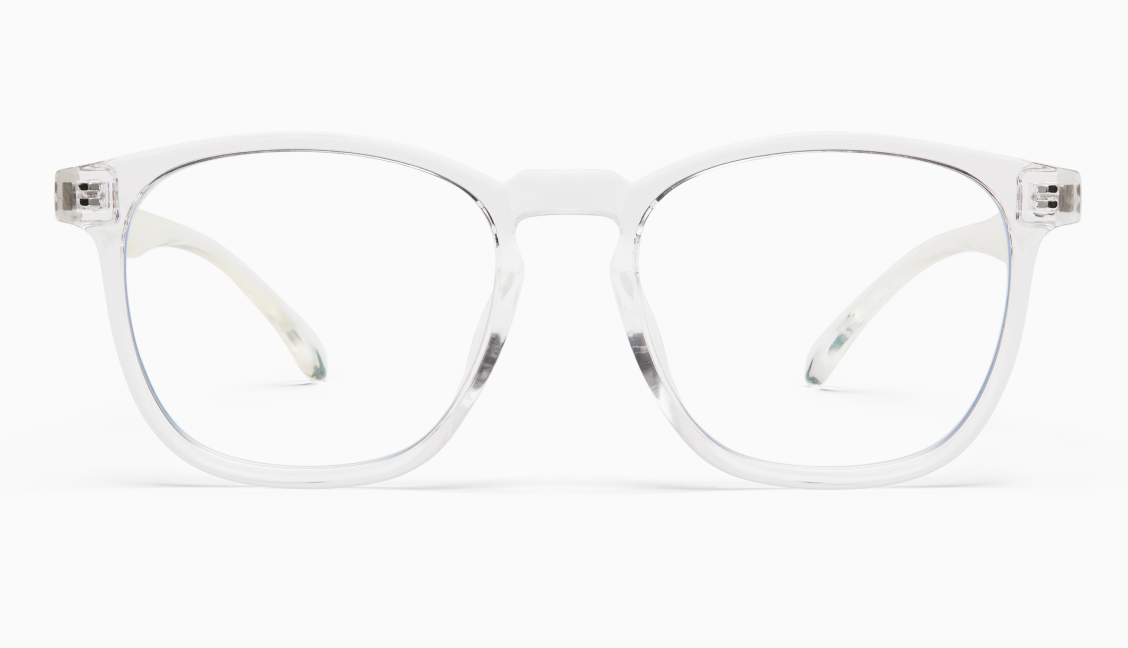
Choosing the perfect pair of rx lenses involves more than just getting your vision correction right. It's about finding eyewear that fits your lifestyle, visual needs, and personal style. Understanding where to buy prescription lenses and the options available can significantly impact your satisfaction.
In 2025, consumers have numerous avenues to explore when seeking new rx lenses, from traditional optical shops to the growing landscape of online retailers. Making an informed decision requires weighing the benefits of each approach.
Online Retailers vs. In-Person Fittings
Deciding whether to purchase your prescription glasses online or from a physical store is a common consideration for anyone needing rx lenses. Both methods have distinct advantages and cater to different customer preferences and vision requirements.
Customers often search for the most convenient or cost-effective way to get their rx lenses, while also ensuring accurate fitting and quality. The choice can depend heavily on the complexity of their prescription lenses.
Best Online Retailers for Prescription Glasses
Online retailers specializing in rx lenses have become increasingly popular due to their convenience, wide selection, and often competitive pricing. These platforms allow customers to upload their prescription lenses information and choose from a vast array of frames and lens options from the comfort of their home.
Many online stores offer tools to virtually try on frames or provide detailed guides on measuring your pupillary distance, which is crucial for accurate rx lenses placement. They cater particularly well to customers with straightforward single vision prescription lenses.
Advantages and Disadvantages of Online vs. In-Person
Purchasing rx lenses online can offer significant savings and unparalleled access to diverse styles. It's a convenient option for busy individuals or those living far from optical shops. Online retailers excel when you have a simple single vision prescription and are comfortable taking your own measurements or using virtual tools. This method allows you to browse and compare at your own pace.
However, for more complex prescription lenses, such as bifocal or progressive lenses, an in-person fitting is generally best. These types of rx lenses require precise measurements relative to how the frames sit on your face, including vertex distance, pantoscopic tilt, and frame wrap. An experienced optician can ensure these measurements are exact, leading to better adaptation and optimal vision with progressive lenses. Trying on frames physically also allows for a better assessment of fit, comfort, and how the eyeglasses balance on your nose and ears before committing to expensive rx lenses. Choosing the right method depends on your specific rx lenses needs and comfort level with self-service. find your perfect fit
Customizable Prescription Eyewear Options
Beyond where you purchase them, the degree of customization available for rx lenses and frames is a key factor in finding the perfect eyewear. Modern manufacturing techniques and a wide range of materials mean that prescription glasses are more personalized than ever before.
Customers often seek rx lenses and frames that not only correct their vision but also reflect their personality, suit their lifestyle, and provide specific functional benefits like durability, lightness, or compatibility with gear. Customization is central to achieving this.
Frames for Every Style and Need
The frame you choose for your rx lenses plays a significant role in both aesthetics and comfort. Whether you prefer classic, modern, minimalist, or bold styles, there are eyeglasses frames available made from various materials like metal, plastic, titanium, or even wood.
Frames are designed to accommodate different types of rx lenses and face shapes. Some are built for durability and sports, while others prioritize lightweight comfort for everyday wear. Finding the right frames ensures your prescription glasses look good and feel comfortable throughout the day.
Lens Options: Single Vision, Progressive, and More
The type of rx lenses you need depends entirely on your vision prescription. The most common are single vision lenses, which correct one field of vision, whether for distance, intermediate, or near work. These are straightforward and suitable for many individuals.
For those needing correction for multiple distances, there are bifocal and progressive lenses. Bifocals have a distinct line separating the distance and near portions of the lens. Progressive lenses offer a seamless transition between distance, intermediate, and near vision without a visible line, providing a more natural viewing experience. Advanced rx lenses options also include high-index materials for thinner lenses, various coatings (anti-reflective, scratch-resistant, UV protection), and specialized filters like blue light blocking. Understanding these lens options is crucial for selecting the best rx lenses for your unique vision needs.
Addressing Specific Vision Concerns
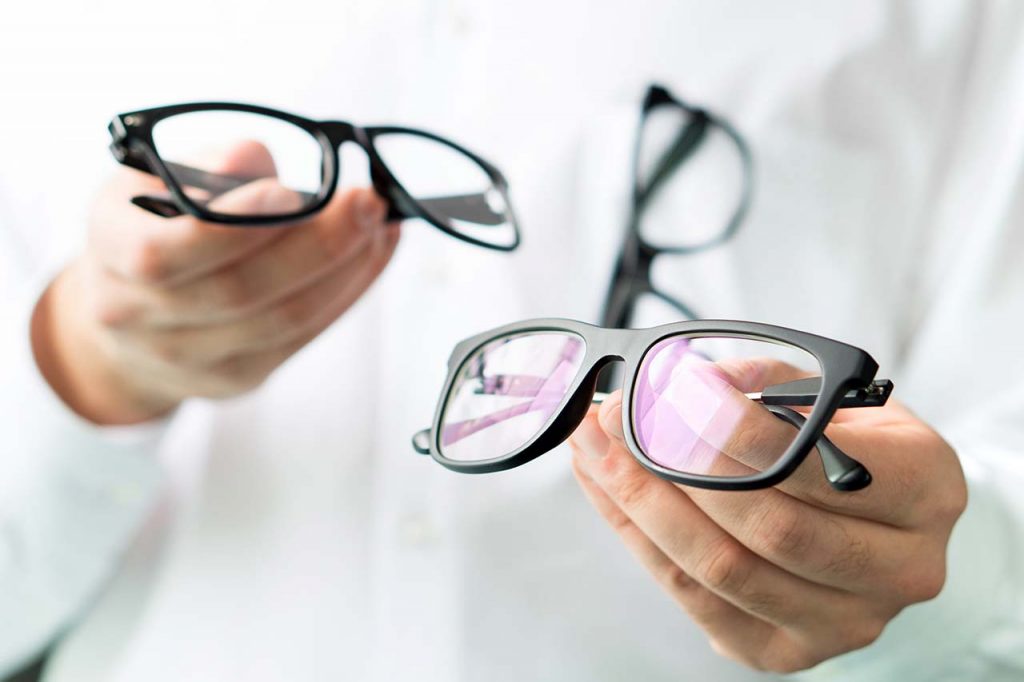
Moving beyond basic single vision correction and frame choices, many individuals require rx lenses designed to address more complex vision issues. Understanding these specific needs and the available lens options is crucial for achieving optimal clarity and comfort with your eyeglasses.
Whether dealing with significant refractive errors like high myopia or hyperopia, or needing correction for astigmatism or age-related vision changes requiring progressive lenses, the right prescription lenses make a world of difference.
Rx Lenses for High Myopia and Hyperopia
Individuals with high myopia (nearsightedness) or high hyperopia (farsightedness) face unique challenges when choosing rx lenses. Strong prescriptions require specialized lens solutions to provide clear vision while also considering aesthetic factors and comfort.
These conditions mean your prescription lenses need to bend light significantly more (for hyperopia) or less (for myopia) than standard prescriptions. This often results in thicker or heavier lenses, which can impact the appearance and feel of your eyewear.
Understanding High Prescription Needs
A high prescription generally refers to rx lenses with a strong diopter value, typically around +/- 6.00 or higher. For high myopia, the lenses are thicker at the edge and thinner in the center. For high hyperopia, they are thicker in the center and thinner at the edge.
These differences in thickness can make eyeglasses appear bulky, magnify or minimize the eyes' appearance behind the lenses, and add weight. Choosing the right frames and lens options is essential for managing these challenges and ensuring comfortable lightweight prescription eyewear.
Lens Options for Strong Prescriptions
To address the thickness and weight associated with high prescriptions, specialized rx lenses materials are available. High-index lenses are the primary solution. These materials refract light more efficiently, meaning a thinner lens can provide the same level of vision correction as a thicker standard plastic or glass lens.
For severe high myopia or hyperopia, even high-index lenses will have some noticeable thickness, but they are significantly slimmer and lighter than traditional materials. As of 2025, advancements in lens design and surfacing further optimize aesthetics and visual performance for strong prescription lenses. Choosing high-index rx lenses is key for a comfortable and discreet look with high prescription eyeglasses. high index lenses
Understanding and Correcting Astigmatism
Astigmatism is a common vision condition caused by an irregularly shaped cornea or lens inside the eye. Instead of being perfectly round like a basketball, the cornea might be shaped more like a football. This causes light to focus on multiple points in front of or behind the retina, leading to blurred or distorted vision at all distances.
Correcting astigmatism is a standard part of many eyeglasses prescriptions and requires rx lenses specifically designed to compensate for the uneven curvature of the eye.
What is Astigmatism Correction in Glasses?
Astigmatism correction in glasses is achieved through toric lenses. Unlike standard spherical lenses that have the same power across the entire surface, toric lenses have different powers in different meridians (like different axes on a clock face).
These prescription lenses are precisely ground to counteract the irregular shape of the eye's cornea or lens. This ensures that light entering the eye is focused onto a single point on the retina, restoring clear and sharp vision. The amount and axis of astigmatism correction are specified in your prescription lenses details.
Choosing the Right Lenses for Astigmatism
When selecting rx lenses for astigmatism, toric lenses are necessary. The specific cylinder power (amount of correction) and axis (orientation of the correction) on your prescription lenses must be accurately replicated in the eyeglasses lenses.
Using standard spherical lenses for astigmatism will not adequately correct the blurred vision. It's crucial to provide your complete and accurate prescription lenses, including the sphere, cylinder, and axis values, to ensure your toric lenses are made correctly for optimal astigmatism correction and clear vision. toric lenses
Progressive and Bifocal Lenses: A Deeper Dive
As people age, a condition called presbyopia often develops, making it difficult to focus on near objects. This necessitates rx lenses that can correct vision for multiple distances. The most common solutions are bifocal and progressive lenses.
While both types of prescription lenses address multiple vision needs, they do so in different ways. Understanding how progressive lenses and bifocal lenses work is key to choosing the right option for your lifestyle and vision requirements.
Progressive Lenses Explained
Progressive lenses offer a seamless transition between different vision powers within a single lens. They correct for distance vision at the top of the lens, intermediate vision (like for computer screens) in the middle, and near vision (for reading) at the bottom.
There is no visible line separating these zones, providing a more natural and cosmetically appealing look compared to bifocals. Adapting to progressive lenses involves learning to look through the appropriate part of the lens for the specific viewing distance. Modern progressive lenses designs offer wider vision corridors and smoother transitions for easier adaptation in 2025.
Bifocal Lenses vs Progressive Lenses: Which is Right for You?
The choice between bifocal lenses and progressive lenses depends on personal preference and visual needs. Bifocal lenses have two distinct power zones, typically distance at the top and near at the bottom, separated by a visible line. They are simple to use but lack an intermediate vision zone and the sudden power change can be jarring.
Progressive lenses, while requiring an adaptation period, offer the benefit of clear vision at all distances, including the often-used intermediate range. They also provide a more youthful appearance without the visible line of bifocals. For those needing correction for distance, computer use, and reading, progressive lenses are generally preferred for their comprehensive functionality and natural feel. progressive lenses
Making Your Eyeglasses Purchase
Securing an accurate prescription is just the beginning of your journey to clearer vision. We've explored key factors like understanding your prescription details (Sphere, Cylinder, Axis, ADD, Prism, PD), where to get an eye exam (Optometrists, Ophthalmologists, Retail Shops), and the distinct advantages of buying glasses locally versus from top online retailers like GlassesUSA, Warby Parker, EyeBuyDirect, and Zenni Optical. We also covered navigating the purchase process, including crucial considerations like frame materials, lens types and coatings, choosing styles based on your face shape, understanding how to use vision insurance, HSA/FSA funds, and special considerations for veterans.
Now that you have the knowledge to make an informed decision about your eyewear needs, it's time to explore the vast options available. Click the affiliate link below to browse a wide selection of frames and lenses tailored to your "eyeglasses prescription near me" needs and discover convenient shopping from the comfort of your home. Start your search for the ideal prescription eyewear and earn commission on qualified purchases!
[Find Your Prescription Eyewear Here](https://www.mozaer.com/search?q=eyeglasses prescription near me)


Comments
Post a Comment