Eyeglasses Prescription Near Me 2025
Ready for clearer vision? Discovering where to get an "eyeglasses prescription near me" is the first step to finding your perfect pair. This guide helps you navigate obtaining your vital vision details and explores convenient options for purchasing prescription eyewear, including exploring selections available directly via this link: https://www.mozaer.com/search?q=eyeglasses prescription near me.
Understanding Your Vision Needs with Line Bifocals
What Exactly are Line Bifocal Lenses?
Defining Line Bifocals and Their Basic Functionality
Line bifocals are a specific type of eyeglass lens. They are designed to provide clear vision for people who need correction for two distinct distances: far away and up close. In 2025, they remain a popular choice for managing age-related vision changes like presbyopia.
These lenses are easily recognizable by a visible line. This line separates the upper part of the lens from the lower part. They are also commonly known by terms such as flat-top bifocals or D-segment bifocals, due to the shape of the near vision segment.
How Do Line Bifocal Lenses Work?
Explaining the Distinct Bifocal Lens Design
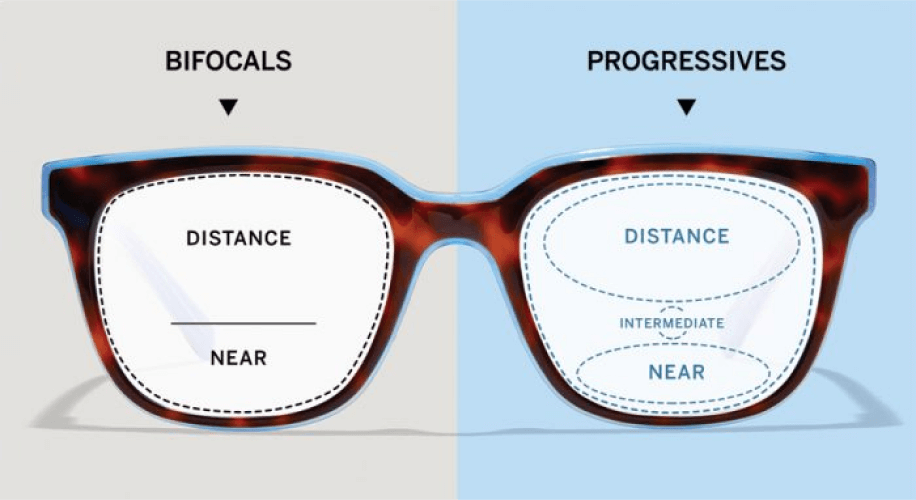
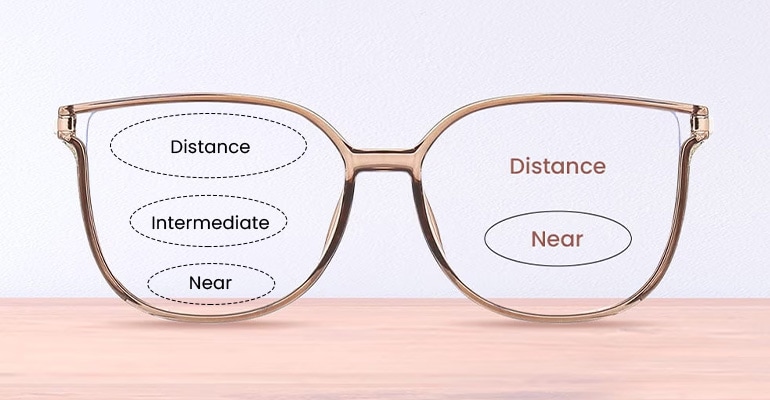
The functionality of line bifocal lenses is based on their unique design. The upper portion of the lens holds the prescription needed for distance vision. This is the part you look through when viewing objects far away, like driving or watching television.
The lower segment, positioned at the bottom of the lens, contains the prescription for near vision. This segment has an "add power" specifically calculated to help you focus on close-up tasks. It's the part you use for reading books, newspapers, or your smartphone screen.
To use line bifocals effectively, the wearer simply adjusts their gaze. You look straight ahead through the top for distance, and lower your eyes to look through the bottom segment for clear near vision. This distinct separation provides a clear, defined area for each viewing distance.
Are Line Bifocals the Right Choice for Your Vision?
Identifying Common Candidates for Line Bifocal Lenses
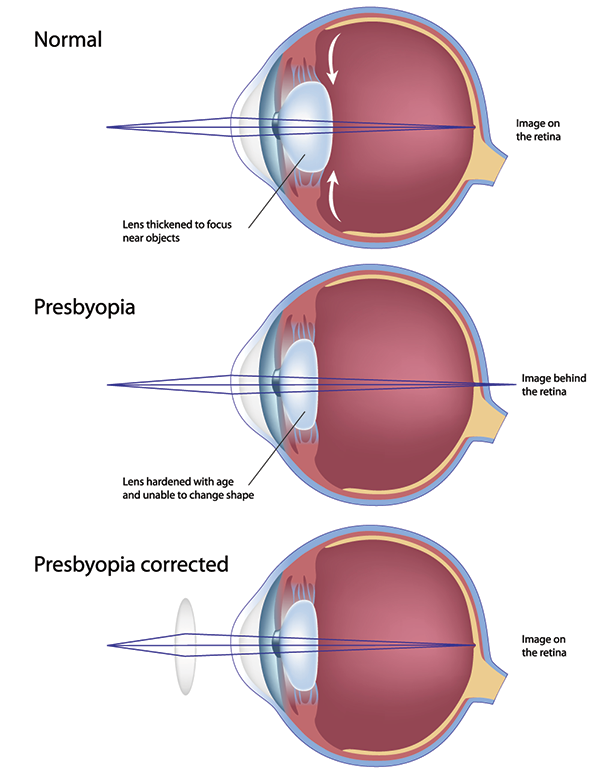
Line bifocals are primarily designed for individuals experiencing presbyopia. This is a natural, age-related condition that typically affects people around age 40 and older in 2025. Presbyopia makes it increasingly difficult to focus on objects held close up.
People who benefit most from line bifocals need clear vision for both distant and close tasks throughout the day. This includes activities like reading, computer work, driving, and hobbies requiring near focus. They need a straightforward solution for switching between these distances.
They can be a good option for those who prefer a clear, stable field of view for reading compared to progressive lenses, or who have difficulty adapting to the more gradual power changes of no-line lenses. However, deciding if line bifocals are right for you should always involve consulting an eye care professional.
If you experience difficulty with both distance and near vision and believe line bifocals could be a solution after consulting your eye doctor, exploring options tailored for these needs is key. You can find various prescription lenses designed to provide clear vision at multiple distances.
Line Bifocals vs Other Vision Correction Options

Line Bifocals vs Progressive Lenses
Comparing line bifocals and progressive lenses
When considering vision correction for presbyopia in 2025, a common comparison is between line bifocals and progressive lenses. While both correct for distance and near vision, they do so differently. Understanding these differences is crucial for choosing the right option.
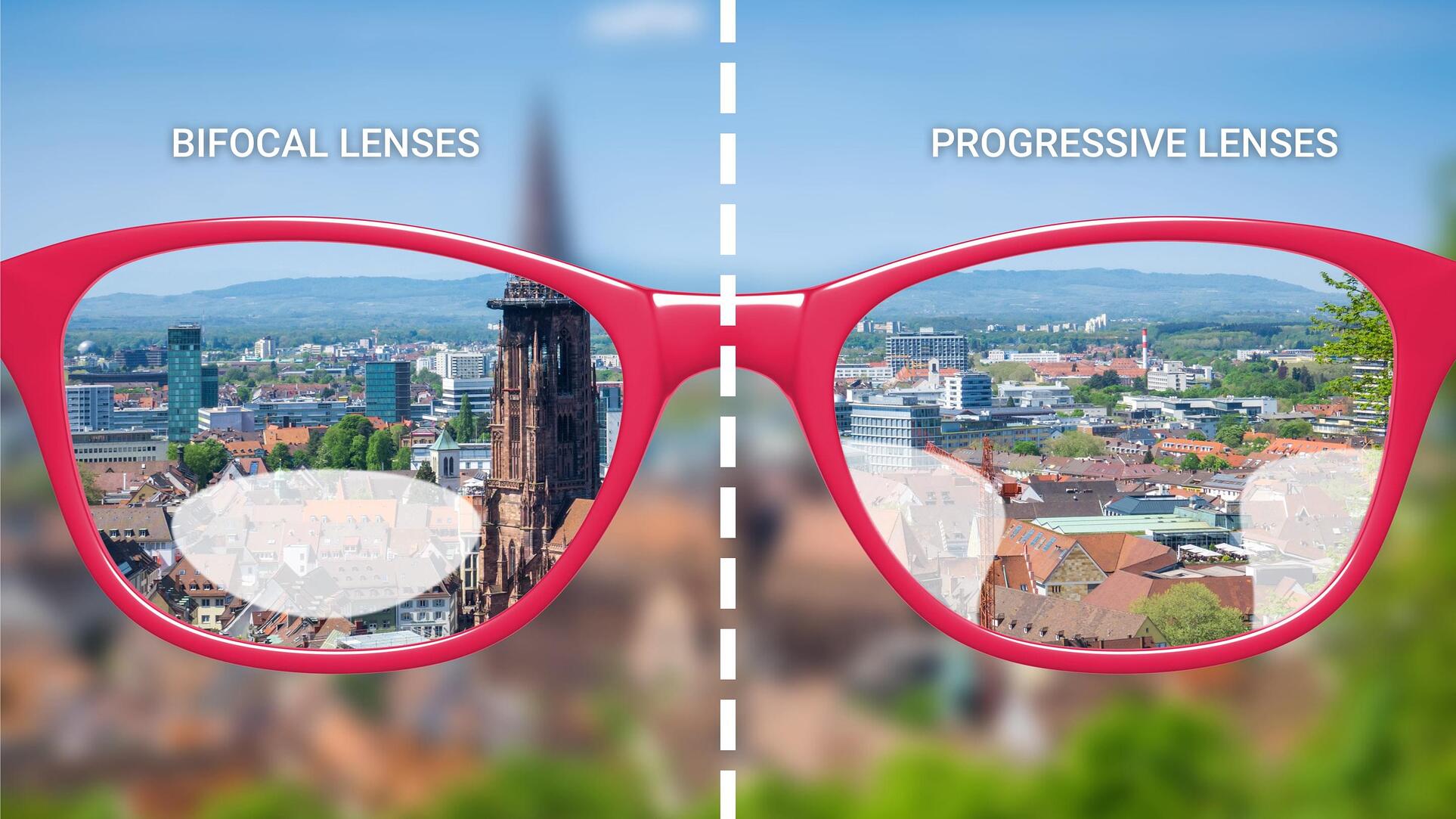
Line Bifocals: These lenses feature a distinct, visible line separating the distance viewing zone from the near viewing segment. The switch between prescriptions is abrupt and clearly defined.
One key benefit of line bifocals is often easier adaptation for some users. Because the zones are separate and distinct, many people find it simple to learn where to look for each distance. They also tend to be less expensive than progressive lenses.
A main drawback is the visible line itself, which some wearers find cosmetically unappealing. There can also be an "image jump" when your eye crosses the line, causing a slight displacement of objects.
Progressive Lenses: Also known as "no-line bifocals," these lenses provide a gradual transition in power between distance vision at the top, intermediate vision in the middle, and near vision at the bottom. There is no visible line.
The primary benefit of progressive lenses is the lack of a visible line, offering a more natural aesthetic. They also include an intermediate zone, useful for tasks like computer work, providing a smoother, more continuous visual experience across all distances.
However, progressive lenses can be more expensive than traditional line bifocals. They also may require a longer adaptation period. Wearers need to learn to tilt their head and eyes correctly to find the right power zone, and peripheral distortion can be an initial challenge for some.
Choosing between these two types of multi-focal lenses depends on individual needs, lifestyle, and preference for adaptation ease versus aesthetic and intermediate vision. If you are exploring different types of lenses to correct multiple vision issues after consulting with an eye doctor, finding options that cater to both distance and near needs is important. You can explore various prescription lenses specifically designed for these requirements.
Line Bifocals vs Reading Glasses
Understanding the differences
Another comparison arises between line bifocals and standard reading glasses. These options serve very different purposes for vision correction in 2025.
Line Bifocals: As discussed, these lenses combine prescriptions for both distance and near vision into a single lens. This allows the wearer to see clearly far away without needing to remove their glasses and then simply look down through the lower segment for reading or other close tasks.
Reading Glasses: In contrast, reading glasses contain a single prescription power designed only for near vision. They make small print or close objects clear.
The fundamental difference is functionality. If you only struggle with reading or close work but have clear distance vision, reading glasses might suffice. However, if you need assistance seeing both far away and up close, line bifocals (or other multi-focal options) are necessary to avoid constantly switching between two pairs of glasses.
Line Bifocals vs No-Line Bifocals
Overview and comparison
While "no-line bifocals" is often a common term, it typically refers to progressive lenses. However, there's also a less common "no-line" option that uses a different manufacturing process to blend the segments, though progressive lenses are far more prevalent as the "no-line" solution in 2025. Assuming "No-Line Bifocals" here refers broadly to progressive lenses for comparison as per the outline structure:
Comparing line bifocals directly to progressive lenses (often called no-line bifocals) highlights key differences in design and wearer experience.
Line Bifocals: As previously noted, these have a visible line and offer distinct power zones. This design can lead to easy adaptation for some users who find the clear separation straightforward. They are also typically more cost-effective than progressive lenses.
No-Line Bifocals (Progressive Lenses): These lenses eliminate the visible line. They provide a more natural look as they appear like single-vision lenses. The transition between different viewing distances is designed to be smoother and more gradual, including the intermediate zone.
The choice often comes down to preference for aesthetics, the need for intermediate vision, tolerance for potential initial adaptation challenges, and budget. Line bifocals offer a clear, defined visual shift, while no-line (progressive) lenses provide a seamless, albeit potentially more challenging initially, visual experience across multiple distances.
Choosing and Using Line Bifocals
Line bifocals remain a practical and widely used vision correction solution in 2025 for people with presbyopia, needing help with both distance and near vision. Understanding their advantages, available types, and proper fitting is key to comfortable and effective use.
Benefits of Line Bifocals
Highlighting the positives
One significant advantage of choosing line bifocals is the clarity of the viewing zones. They offer distinct, well-defined areas for distance viewing at the top and near viewing at the bottom.
This clear separation can make adaptation easier for some individuals. There is no 'searching' for the right power zone; you simply look through the upper part for far objects and the lower segment for reading or close work. The transition, though abrupt, is predictable.
Furthermore, line bifocal lenses are generally more affordable compared to progressive lenses (no-line bifocals). This makes them a cost-effective solution for many people needing multi-focal correction. Their straightforward design contributes to their accessibility and ease of use for certain wearers.
Different Types of Line Bifocals
Exploring available options
When considering line bifocals in 2025, you'll find a few common designs for the near vision segment. These different types cater to various needs and visual tasks.
The most common design is the Flat-Top, also known as the D-segment bifocal. The near vision portion is shaped like a 'D' lying on its side, providing a straight upper line for easy transitions from distance to near.
Another type is the Round Segment bifocal. This features a circular segment for the near vision area. While less common than the flat-top, some users prefer its appearance or the way it integrates into the lens.
For those requiring a very wide field of near vision, Executive Bifocals are an option. In this design, the entire bottom half of the lens is dedicated to the near prescription, with the dividing line running across the full width of the lens.
Line Bifocals Fitting Guide
Getting the right fit
Proper fitting is essential for optimal comfort and vision correction with line bifocals. A correctly fitted lens ensures you naturally look through the appropriate part of the lens for different tasks in 2025.
A key aspect is the positioning of the near vision segment. It must be placed at a height that aligns with your natural downward gaze when reading or performing close work. If the segment is too high or too low, it can cause discomfort or make using the lens difficult.
Your eye care professional will measure the segment height and ensure the optical center of the distance and near portions are correctly aligned with your pupils. Precise measurements are critical to avoid eye strain and ensure the clear, distinct zones function as intended. Consulting with an eye care professional is highly recommended for accurate fitting and any necessary adjustments to your line bifocal lenses.
Once you understand the importance of proper fitting, finding the right style for your needs is the next step. To explore various types of line bifocals and related prescription options discussed, you can start by looking at available prescription eyewear that meets specific requirements like segment type and fitting parameters.
What is Shamir Duo Lens?
Features and advantages
Exploring advanced lens options, the Shamir Duo lens is a specific type of freeform bifocal designed with a key difference from traditional lined bifocals in 2025. While providing distinct distance and near prescriptions, it aims to eliminate the visible line separating these segments.
This design offers an improved aesthetic appearance compared to traditional line bifocals, as the lens surface appears smooth like a single-vision lens.
A notable advantage of the Shamir Duo lens is its suitability for various applications, including use in sunglasses. This allows wearers needing bifocal correction to enjoy clear vision at both distance and near while benefiting from sun protection without the visible line.
To find line bifocals and other multifocal lens options discussed in this article, you can browse the selection of line bifocal lenses available online.
Addressing Concerns and Finding Line Bifocals Online
Line Bifocals Side Effects
Potential issues and solutions
While line bifocals offer clear vision zones, some users may experience initial side effects in 2025. One common issue is "image jump."
Image jump refers to the sudden shift in how objects appear when your gaze moves from the distance portion of the lens to the near portion, or vice versa. This happens because of the abrupt change in lens power at the dividing line.
To mitigate image jump with your line bifocals, practice is key. Adjusting head position instead of just moving your eyes can help you stay within the appropriate viewing zone more smoothly. With time, your brain often adapts to this transition.
Another characteristic of traditional line bifocal lenses is their primary focus on distance and near vision. They typically do not offer a dedicated zone for intermediate distances, such as viewing a computer screen.
If your daily activities in 2025 require clear vision at intermediate ranges frequently, and you find line bifocals limiting in this regard, you might consider alternative options like progressive lenses. Progressive lenses provide a gradual transition between distance, intermediate, and near vision, though they lack the defined line.
Are Line Bifocals Outdated?
Addressing common misconceptions
In 2025, with the rise in popularity of progressive (no-line) lenses, some people question if line bifocals are still relevant. However, dismissing line bifocals as outdated is a misconception for many wearers.
Line bifocals remain a perfectly viable and effective vision correction solution for a significant number of people needing help with both far and near sight. Their straightforward design provides distinct, clear viewing zones that some users find easier to adapt to than the blended zones of progressive lenses.
The choice between line bifocals and progressive lenses ultimately depends on individual visual needs, lifestyle, and personal preference. For some, the simplicity and clear cut-off of the line bifocal lens are exactly what they need for comfortable vision.
They offer a reliable method for dual vision correction without the visual distortions that some people experience with progressive lenses, especially in the periphery. Therefore, line bifocal lenses are still a valuable option in the realm of eyewear today.
Line Bifocals Online: Where to Buy
Trusted online retailers
Finding line bifocals in 2025 is convenient, with several trusted online retailers offering a wide selection. Buying line bifocals online can provide access to various styles, lens options, and price points.
GlassesUSA is known for its broad range of frame styles and lens strengths suitable for line bifocal prescriptions. They often provide free standard shipping and tools like virtual try-ons to help you select frames.
Eyebuydirect offers affordable prices on line bifocals and various lens enhancements. They are often a good option for budget-conscious shoppers and sometimes offer faster shipping options like free two-day delivery.
Zenni Optical is another popular choice for budget-friendly line bifocals. They also feature virtual try-on tools and a vast catalog of frames, making it easier to find a style you like at a lower cost.
When shopping for line bifocals online, ensure you have your current prescription, including the near addition power (ADD). Reputable online retailers will guide you through the process of entering your prescription details to ensure your lenses are made correctly. To explore these retailers and find line bifocal options that match your prescription and style preferences, you can start browsing available line bifocal lenses designed for various frames and needs.
What is the Cost of Line Bifocals?
Factors affecting price
The cost of line bifocals in 2025 can vary significantly depending on several factors. Understanding these elements helps you anticipate the potential expense for your line bifocal glasses.
The frame material and design play a large role in the overall price. Simple plastic or metal frames are typically less expensive than frames made from premium materials like titanium or those from designer brands.
Lens material and coatings also impact the cost of line bifocal lenses. Standard plastic lenses are the most basic. Options like thinner, lighter high-index materials, anti-reflective coatings, scratch-resistant coatings, or UV protection will increase the price.
The specific brand of the lens or frame can also influence cost. Well-known lens manufacturers or designer frame brands usually command higher prices.
Finally, any additional features you choose, such as transitions lenses that darken in sunlight or specific tints, will add to the final price of your line bifocal eyeglasses. Comparing options and getting quotes from different providers is advisable.
Specific Vision Problems and Line Bifocals
Line Bifocals for Presbyopia
How line bifocals address presbyopia
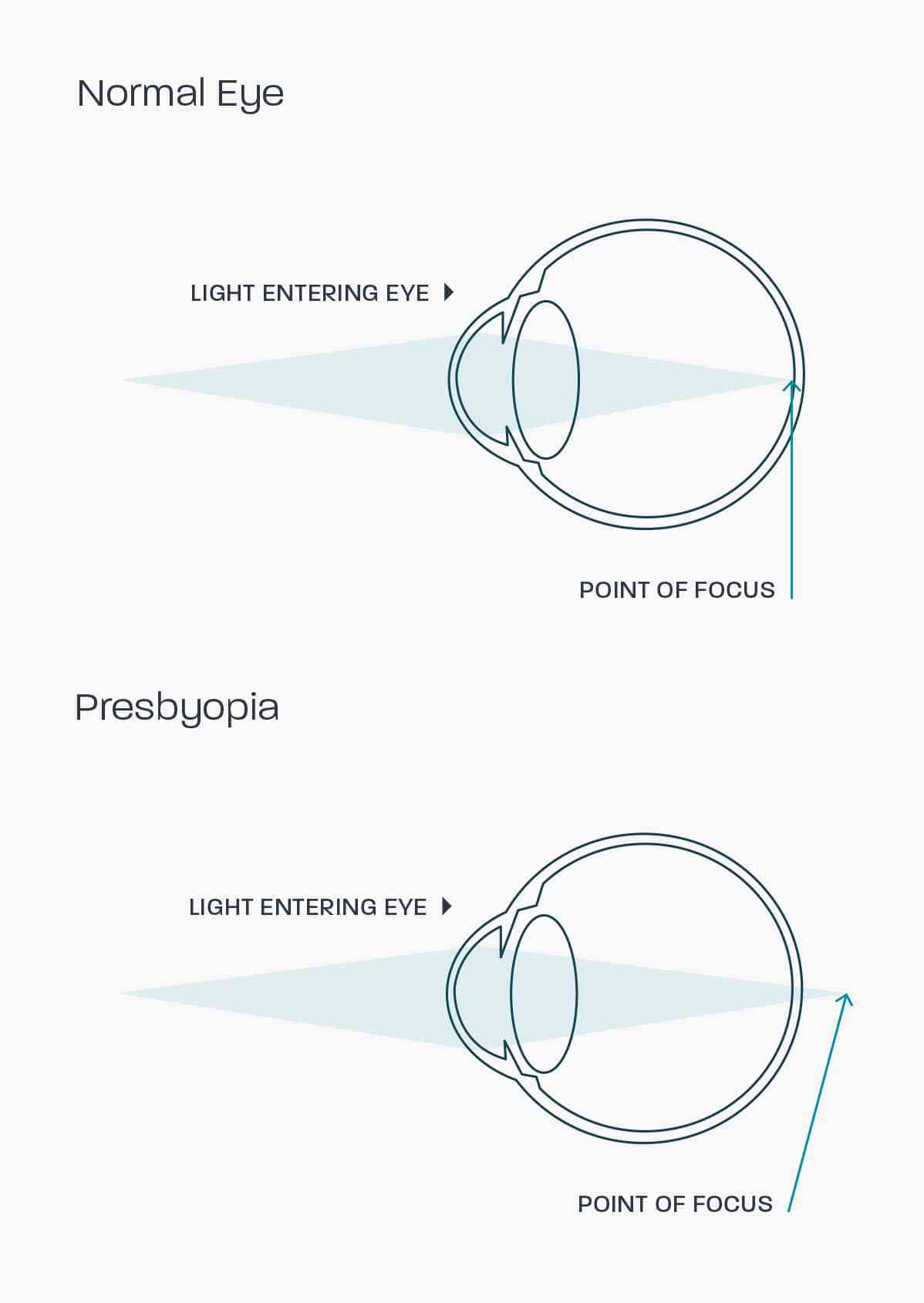
Presbyopia is a common vision condition that typically affects people starting in their 40s. It involves the gradual loss of the eye's ability to focus clearly on close objects. This makes reading small print or seeing things up close difficult.
Line bifocals are specifically designed to counteract the effects of presbyopia. They provide two distinct areas of vision correction within a single lens. The upper portion corrects distance vision, while the lower segment corrects near vision. This design ensures that wearers can see clearly both far away and up close.
Why line bifocals are helpful
For individuals experiencing presbyopia, line bifocal lenses offer a practical solution. They provide clear and stable vision for viewing objects at a distance and for engaging in near tasks like reading or using a smartphone.
A major advantage is that line bifocals eliminate the need to constantly switch between different pairs of glasses – one for distance and one for reading. This convenience is significant in daily life, allowing seamless transitions between different viewing distances without changing eyewear. To find line bifocal glasses tailored to manage your presbyopia and provide clear vision at multiple distances, you can explore various options designed for presbyopia correction.
Line Bifocal Lens Design
Features and benefits
The fundamental feature of a line bifocal lens is the visible line that separates the distance and near vision zones. The upper part of the lens provides the prescription needed for clear distance viewing. Below the line, a segment with added magnifying power corrects near vision.
This clear separation offers immediate access to the required power for either distance or near tasks. Many users find this distinct boundary easy to adapt to, quickly learning to look through the upper portion for distance and shifting their gaze to the lower segment for reading or close work.
Compared to alternative lenses like progressives (which have no visible line and a gradual power change), line bifocals are often more cost-effective. Their straightforward design and manufacturing process contribute to their accessibility and affordability for many people needing dual vision correction.
Customization options
While the basic concept of a line bifocal involves two powers, there are customization options available for line bifocal lenses. The shape of the near vision segment can vary, including the traditional D-shape (or straight top), round, or executive (which spans the full width of the lens).
The size and placement of the near segment can also be adjusted based on the wearer's specific needs and frame choice. Furthermore, line bifocals can be made from various lens materials, such as standard plastic, polycarbonate (impact-resistant), or high-index materials (thinner and lighter for stronger prescriptions). Lens coatings, like anti-reflective or scratch-resistant layers, can also be added to enhance durability and visual clarity. To see the types of line bifocal lens designs and materials available and choose the best fit for your vision needs and frame, you can browse different line bifocal lens options online.
Maintaining Eye Health
Regular Eye Exams for Line Bifocals
Importance of professional check-ups
Regular eye examinations are crucial for everyone, especially if you wear corrective lenses like line bifocals. These appointments are essential for monitoring any changes in your vision and ensuring the overall health of your eyes. An eye care professional can detect subtle shifts that you might not notice.
Seeing an optometrist or ophthalmologist allows for precise determination of your current prescription needs. Vision can change over time, and your line bifocal lenses need to accurately reflect your eyes' current state to provide the best clarity for both distance and near viewing.
Professional check-ups also play a vital role in the early detection of potentially serious eye diseases. Conditions such as glaucoma, macular degeneration, and diabetic retinopathy can often be identified before symptoms become apparent, allowing for timely treatment and better management of eye health.
Tips for Healthy Vision with Line Bifocals
Daily practices
Incorporating simple habits into your daily routine can significantly contribute to maintaining healthy vision while using your line bifocal eyeglasses. A balanced diet rich in vitamins C and E, zinc, lutein, and omega-3 fatty acids is beneficial for eye health. Foods like leafy greens, fish, nuts, and citrus fruits provide essential nutrients that support eye function.
Protecting your eyes from harmful ultraviolet (UV) light is also critical. Wearing sunglasses that block 100% of UVA and UVB rays when outdoors helps prevent long-term damage that can affect vision quality, even when wearing line bifocals.
If you spend a lot of time looking at digital screens, taking regular breaks is advised to reduce eye strain. The 20-20-20 rule is a simple guideline: every 20 minutes, look at something 20 feet away for at least 20 seconds. This allows your eyes to relax and refocus.
Maintaining proper lighting is important when engaging in tasks that require near vision, such as reading or working on detailed projects, especially when using the lower segment of your line bifocal lenses. Adequate, well-positioned light reduces the effort your eyes have to make, contributing to visual comfort and reducing fatigue.
Maintaining good eye health is an ongoing process that complements the use of corrective lenses like line bifocals, ensuring you get the best possible vision throughout your day. To ensure you have the most suitable line bifocal glasses for your vision needs and lifestyle, you can explore options like line bifocal glasses designed for clarity at multiple distances.
Making Your Eyeglasses Purchase
Securing an accurate prescription is just the beginning of your journey to clearer vision. We've explored key factors like understanding your prescription details (Sphere, Cylinder, Axis, ADD, Prism, PD), where to get an eye exam (Optometrists, Ophthalmologists, Retail Shops), and the distinct advantages of buying glasses locally versus from top online retailers like GlassesUSA, Warby Parker, EyeBuyDirect, and Zenni Optical. We also covered navigating the purchase process, including crucial considerations like frame materials, lens types and coatings, choosing styles based on your face shape, understanding how to use vision insurance, HSA/FSA funds, and special considerations for veterans.
Now that you have the knowledge to make an informed decision about your eyewear needs, it's time to explore the vast options available. Click the affiliate link below to browse a wide selection of frames and lenses tailored to your "eyeglasses prescription near me" needs and discover convenient shopping from the comfort of your home. Start your search for the ideal prescription eyewear and earn commission on qualified purchases!
[Find Your Prescription Eyewear Here](https://www.mozaer.com/search?q=eyeglasses prescription near me)


Comments
Post a Comment