Improve SEO Strategy in 2025 | Expert Guide
Struggling to rank higher on search engines? Are your competitors outpacing you online? Learn how to implement cutting-edge techniques that drive organic traffic and improve your search engine results. This guide provides essential insights to elevate your digital presence. Find proven methods to enhance your website's performance and reach your target audience effectively by exploring our comprehensive SEO Strategy Guide.
Understanding Colored Transition Lenses

How do Colored Transition Lenses Work?
Colored transition lenses are a marvel of modern eyewear technology. They seamlessly adapt to changing light conditions, providing clarity and comfort. But how exactly do these clever lenses perform this transformation? It all comes down to specialized molecules within the lens material.
Photochromic Technology
The most common type relies on photochromic technology. This involves molecules embedded directly into the lens or within a coating on the lens surface. These molecules are highly sensitive to ultraviolet (UV) light, the type of light emitted by the sun.
When UV light hits the lens, the photochromic molecules undergo a chemical reaction. Their structure changes, causing them to darken. This darkening effect makes the lens function like a sunglass lens, reducing the intensity of sunlight reaching your eyes.
When you move indoors or away from UV light, the molecules revert to their original structure. This makes the lens return to its clear state, suitable for indoor vision. This transition happens automatically based on the presence or absence of UV rays.
Light Intelligent Technology
Some advanced colored transition lenses utilize what's sometimes called "light intelligent" technology. While still based on photochromism, these versions may react not just to UV light but also to visible bright light. This can be particularly useful in situations where UV light is blocked but glare is still present, such as inside a car windshield (which blocks most UV).
These technologies often feature complex molecules designed to respond faster and darken more effectively across various temperatures. In 2025, advancements continue to improve the speed and responsiveness of these light-sensitive molecules. The goal is a faster transition from dark back to clear and a more consistent performance in different environments.
Are Colored Transition Lenses Worth It?
Many people considering new eyewear ask if colored transition lenses are a worthwhile investment. The answer largely depends on your lifestyle and vision needs. For many, the benefits offered by this technology make them highly valuable.
Convenience
One of the biggest advantages is unparalleled convenience. Colored transition lenses effectively combine two pairs of glasses into one: your regular eyeglasses and your sunglasses. You don't need to carry a separate pair of sunglasses or constantly switch between them when moving from indoors to outdoors.
Imagine stepping outside for a moment or going for a walk on a sunny day. Your lenses darken automatically. When you return indoors, they fade back to clear. This seamless adaptation saves time and hassle, especially if you frequently move between different lighting environments. For those looking for versatile eyewear that also offers stylish options, exploring different frames can be part of the process, similar to finding cool reading glasses that match your personal style.
Vision Correction & Protection
Beyond convenience, these lenses provide essential vision correction in all conditions. Whether they are clear indoors or dark outside, they deliver the precise prescription you need. This ensures consistent clear vision throughout the day.
Crucially, colored transition lenses offer vital protection from harmful UV rays. Even when clear, they block 100% of UVA and UVB radiation, which is critical for long-term eye health. When dark, they also reduce overall light intensity, providing sunglass-level comfort and glare reduction. They help your eyes adapt to changing brightness levels more comfortably than your eyes can do on their own.
To explore the range of available options and find the perfect pair of colored transition lenses for your needs, including various colors and styles, visiting a dedicated online store allows you to compare features and find lenses that offer both the technological benefits discussed and the aesthetic you desire.
Benefits of Colored Transition Lenses

UV Protection and Eye Health with Transition Lenses
Protecting your eyes from the sun's harmful rays is crucial for long-term vision health. Colored transition lenses play a vital role in providing this protection automatically throughout your day, regardless of whether you are indoors or outdoors. This seamless protection contributes significantly to maintaining healthy eyes in 2025.
Do Transition Lenses Block UV Rays?
Absolutely. One of the most significant benefits of transition lenses is their superior UV protection. These lenses are designed to block 100% of both UVA and UVB rays. Even when the lenses are completely clear indoors, they provide this essential barrier against ultraviolet radiation.
By blocking these harmful rays, the lenses protect the covered areas of your eye, including the cornea and the internal lens. This consistent blockage is a key factor in preventing UV-related damage over time.
Long-Term Eye Health Benefits
Consistent protection from UV exposure has profound long-term benefits for your eye health. Over many years, cumulative UV damage is linked to serious conditions. By wearing photochromic lenses daily, you actively protect against potential development or progression of cataracts.
These lenses also offer protection against other UV-related issues such as pterygium (a growth on the conjunctiva) and macular degeneration. Furthermore, by automatically darkening in bright light, they reduce the need to squint. Less squinting not only improves comfort but can also enhance visual clarity and chromatic contrast in bright conditions.
Colored Transition Lenses for Specific Needs
Beyond general use, colored transition lenses offer tailored benefits for individuals with specific visual requirements or conditions. Their adaptive nature makes them highly versatile.
Transition Lenses for Migraine Relief
Many individuals who experience migraines also suffer from photophobia, or extreme sensitivity to light. Bright lights, including sunlight, can often trigger or worsen migraine attacks. Transition lenses can be incredibly beneficial in this scenario.
By automatically darkening outdoors and in bright indoor environments, these adaptive lenses significantly reduce the amount of light entering the eye. This reduction in light intensity can help mitigate light sensitivity and potentially reduce the frequency or severity of light-triggered migraines. Some users find that specific lens tints, such as rose or certain shades of blue, offer additional comfort and light filtering properties beneficial for photophobia. Finding the right eyewear, including exploring options like cheap eyeglasses and frames, can be part of finding a solution that addresses both your vision needs and light sensitivity concerns.
Best Transition Lenses for Cycling
For cyclists and other outdoor enthusiasts, photochromic cycling glasses are a game-changer. Cycling exposes your eyes to rapidly changing light conditions – from bright sun on an open road to shade under trees or even tunnels. Constantly switching between sunglasses and clear glasses is impractical and unsafe.
Transition lenses adapt automatically, ensuring you have optimal visibility whether it's sunny, cloudy, or you're riding through a wooded area. Besides managing light, these lenses also provide essential physical protection. They shield your eyes from insects, road grit, wind, and rain, which are common hazards when cycling. The quick adjustment speed of modern light-sensitive lenses is particularly important for maintaining clear vision during fast-paced rides.
To discover how colored transition lenses can enhance your daily life, protect your eyes, and provide specialized benefits for conditions like migraines or activities like cycling, exploring the diverse range of available options allows you to find a perfect fit for your unique needs and lifestyle. colored transition lenses
Choosing the Right Colored Transition Lenses
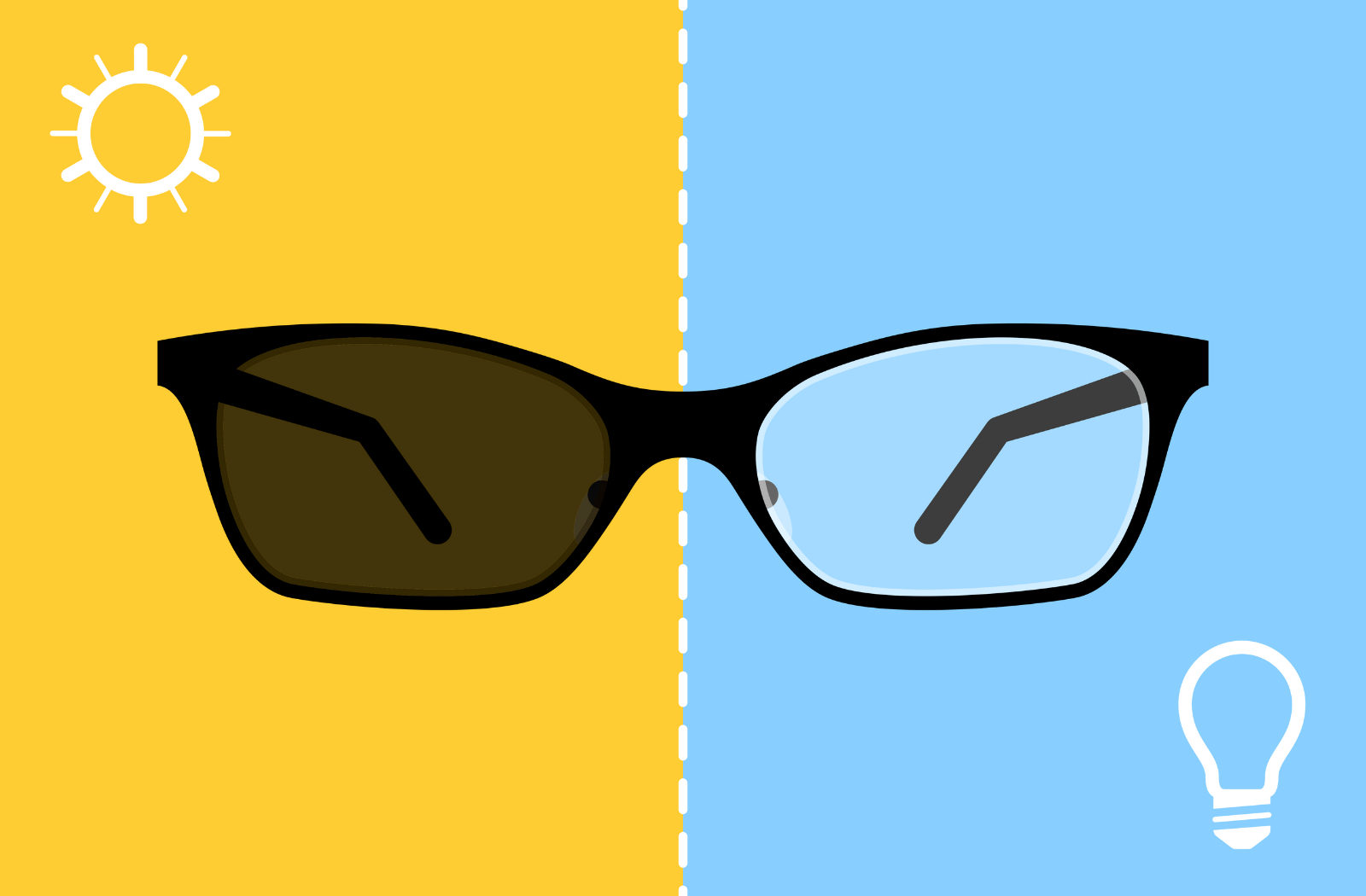
When considering colored transition lenses, several factors come into play beyond just wanting the adaptive tint. Making the right choice ensures you get the best visual comfort and functionality for your needs in 2025.
Factors to Consider
Selecting the perfect pair of adaptive lenses involves thinking about your budget and whether you require vision correction. Understanding these points helps narrow down the vast options available.
Transition Lenses Cost
The initial Transition Lenses Cost can vary significantly. It depends on several factors, including the lens material, the specific transition technology, and whether you need a prescription. Generally, adding a prescription will increase the overall price of your photochromic lenses.
However, it's important to view the cost over time. Investing in good quality light-sensitive lenses is often more cost-effective than purchasing separate pairs of prescription glasses and prescription sunglasses. You get two-in-one functionality, simplifying your eyewear needs and potentially saving money in the long run. Finding affordable options and understanding pricing helps in making an informed decision about the value these lenses offer. You can explore resources like an eyeglass prescription reader online to understand your prescription details, which might indirectly influence your lens cost calculations.
Prescription Transition Lenses
A major advantage of Prescription Transition Lenses is their availability for a wide range of vision corrections. Whether you are nearsighted, farsighted, or have astigmatism, you can likely get transition lenses tailored to your specific needs. This means you don't have to compromise on clear vision.
With photochromic prescription lenses, you benefit from sharp eyesight whether you are indoors with clear lenses or outdoors with darkened ones. This seamless transition ensures optimal visual acuity in virtually any lighting condition you encounter throughout the day in 2025, providing consistent comfort and performance.
Brands and Reviews
Exploring different brands and checking user reviews provides valuable insights into the performance and features of colored transition lenses. Not all lenses transition at the same speed or achieve the same level of darkness.
Acuvue Oasys with Transitions Review
For those who wear contact lenses, the Acuvue Oasys with Transitions Review is particularly relevant. This innovative product brings photochromic technology to contact lenses. The lenses are made from a comfortable senofilcon A material, known for its moisture and oxygen permeability.
These contact lenses are designed to adapt to changing light conditions, becoming darker when exposed to bright light. According to reviews, they block up to 70% of visible light at full activation. While they don't replace sunglasses entirely, they can help reduce light sensitivity and enhance visual comfort for contact lens wearers throughout the day.
Transition Lenses Reviews
Looking at general Transition Lenses Reviews from users is crucial when making your decision. Opinions often vary regarding the speed at which the lenses transition from clear to dark and back again. Some users prefer a very rapid change, while others prioritize maximum darkness in bright sun.
Reviews also highlight differences in the tint color when activated. Some tints might be preferred for specific activities like cycling, while others might offer greater comfort for light sensitivity issues like migraines. Reading user testimonials specific to your needs can provide practical perspectives on how different adaptive lenses perform in real-world scenarios.
To find the best colored transition lenses that fit your prescription, lifestyle, and budget, exploring the various options available is key. Understanding the cost, confirming prescription availability, and reviewing brand performance allows you to make an informed choice for optimal vision and comfort in 2025. You can discover a wide selection of options suited for different needs by exploring available eyewear. explore colored transition lenses
Latest Trends and Safety

As we move further into 2025, the world of eyewear continues to evolve, especially for colored transition lenses. These smart lenses are not just about adapting to light; they are also becoming fashion statements and crucial tools for eye safety. Staying updated on the latest trends and understanding the safety aspects is key to choosing the right photochromic eyewear.
Eyewear Fashion and Functionality
Modern adaptive lenses are blending cutting-edge technology with stylish designs. They offer enhanced functionality while keeping you looking good in any light condition. The focus is on both visual performance and aesthetic appeal in 2025.
Latest Eyewear Trends
Current latest eyewear trends heavily favor styles that maximize comfort and visual field. This includes the growing popularity of larger lenses for better coverage, which also enhances the light-adaptive benefits of transition lenses. These larger formats offer more comprehensive protection from UV rays and reduce peripheral glare.
Another notable trend is the rise of frameless designs. These offer an unobstructed field of vision, creating a clean and modern look. Pairing frameless styles with colored transition lenses provides a sleek aesthetic while still delivering the practical benefits of light-sensitive lenses that adapt to your environment. These designs merge style with the intelligent performance of adaptive lenses.
Photochromic Sunglasses
The concept of photochromic sunglasses has become increasingly refined. Unlike traditional sunglasses which have a fixed tint, photochromic sunglasses offer unmatched versatility by adjusting their tint based on UV light exposure. This makes them ideal for environments where light conditions change frequently.
They are particularly useful for activities like cycling, running, or hiking, where you might move from shaded trails to bright open paths. The lenses darken automatically in the sun, providing necessary glare reduction and comfort, then fade back indoors or in low light. This eliminates the need to swap between regular glasses and sunglasses, offering seamless visual clarity. To explore the latest options perfect for various activities, browse colored transition lenses online, including versatile colored transition lenses designed for dynamic lifestyles.
Safety and Usage
Beyond style and convenience, the safety of colored transition lenses is a primary concern for many users. Understanding how they protect your eyes and their limitations is vital for proper usage.
Are Transition Lenses Safe?
A common question is, "Are transition lenses safe?". The answer is generally yes. Transition lenses are considered safe for use by individuals of all ages. They are designed to provide crucial UV protection, blocking harmful ultraviolet A (UVA) and ultraviolet B (UVB) rays, which is essential for long-term eye health and reducing the risk of conditions like cataracts and macular degeneration.
However, it's important to understand that while light-sensitive lenses darken in sunlight, they are not a complete replacement for sunglasses in all situations. For prolonged sun exposure or activities requiring maximum glare reduction (like driving in intense sunlight or being on water/snow), additional sunglasses with a fixed, darker tint and often polarization are still recommended. Checking your eyeglass prescription reader details is also important to ensure your current prescription is accurate for optimal visual safety. An eyeglass prescription reader can help you verify your prescription information, which is a foundational part of safe eyewear use.
Transition Lenses for Kids
Transition lenses for kids are an excellent option for parents looking to protect their children's vision. Children often spend significant time outdoors, and their eyes are more susceptible to UV damage. These adaptive lenses provide automatic UV protection for children's eyes whenever they are in the sun, without the need for them to remember to switch to sunglasses.
This makes them extremely convenient for outdoor activities and reduces the likelihood of losing or breaking separate pairs of glasses. Choosing transition lenses for children ensures they benefit from consistent visual comfort and long-term eye health benefits from a young age in 2025.
Longevity and Maintenance of Colored Transition Lenses

Moving forward in 2025, investing in high-quality colored transition lenses is a decision about long-term vision care and style. Understanding how long these sophisticated adaptive lenses last and the best ways to maintain them is crucial for maximizing their value and ensuring continued eye protection. Proper care helps ensure the photochromic technology functions optimally for years.
How Long Do Colored Transition Lenses Last?
The lifespan of your colored transition lenses is a key factor to consider. While they offer incredible convenience, like any lens, they are subject to wear and tear over time. Knowing what impacts their longevity helps you plan for future eyewear needs and protect your investment.
Lifespan Factors for Transition Lenses
The primary factor determining how long your colored transition lenses last is usage and the level of care they receive. Frequent exposure to intense UV light and fluctuations in temperature contribute to the work the photochromic molecules do, causing them to activate and deactivate repeatedly. This constant process can, over many years, lead to a slight decrease in how dark the adaptive lenses become or how quickly they return to clear.
Typically, transition lenses are designed to last as long as your prescription does – usually two to three years. However, the photochromic effect itself can gradually degrade over a longer period, potentially losing some responsiveness after three to five years, especially with heavy daily sun exposure. Scratches on the lens surface, often from improper cleaning or storage, can also impair both vision and the photochromic performance. To find durable options for your next pair, explore a variety of colored transition lenses engineered for longevity.
Maintaining Your Colored Transition Lenses
Proper maintenance is key to extending the life and performance of your colored transition lenses. Simple habits can protect the photochromic technology and the lens surface itself, ensuring clear vision and consistent light adaptation.
Regularly cleaning your light-sensitive lenses is essential. Always use a recommended lens cleaner or mild soap and water, drying with a clean microfiber cloth. Avoid paper towels or clothing, which can scratch the surface. Storing your colored lenses in a protective hard case when you're not wearing them is also vital to prevent scratches and damage. Treating your adaptive lenses with care helps preserve their functionality and keeps them looking good. For more tips on maintaining your eyewear and choosing the best frames, exploring resources on subjects like best online prescription glasses can be highly beneficial.
Addressing Common Concerns About Colored Transition Lenses
Despite their growing popularity and technological advancements in 2025, some people still have questions or misconceptions about colored transition lenses. Let's tackle a couple of the most common concerns to provide clarity.
Are Colored Transition Lenses a Fashion Faux Pas?
Historically, some people perceived transition lenses as unfashionable or slow to change, sometimes giving off a slightly tinted look indoors. However, in 2025, this perception is changing rapidly. Colored transition lenses are making a significant comeback as a stylish and practical eyewear option.
Modern adaptive lenses are far more advanced. They activate and fade faster than older generations. More importantly, they are now available in a wider array of colored lenses, beyond the traditional gray or brown. Options like green, blue, purple, and even vibrant colors allow wearers to choose colored transition lenses that complement their personal style and frame choice, making them a deliberate fashionable eyewear statement rather than a compromise. To see the latest stylish options, browse colored transition lenses online and discover the fashionable possibilities.
Colored Transition Lenses vs Regular Lenses
The choice between colored transition lenses and regular lenses often comes down to lifestyle and priorities. Both serve the basic need of vision correction, but transition lenses offer distinct added benefits that regular lenses lack.
The main advantage of colored transition lenses is their automatic UV protection and adaptation to changing light conditions. They darken in the sun, reducing glare reduction and improving visual comfort outdoors, then become clear indoors. This eliminates the need to carry and switch between prescription glasses and sunglasses. Regular lenses, on the other hand, offer consistent clarity indoors but provide no UV protection or tinting effect outdoors, requiring separate sunglasses for sun protection. While regular lenses might be preferred for purely indoor use or by those who want zero tint indoors, colored transition lenses provide unmatched versatility and continuous eye health benefits for those who spend time both indoors and out. Exploring options like advanced colored transition lenses can help you weigh the pros and cons for your specific needs.
Understanding Colored Transition Lenses
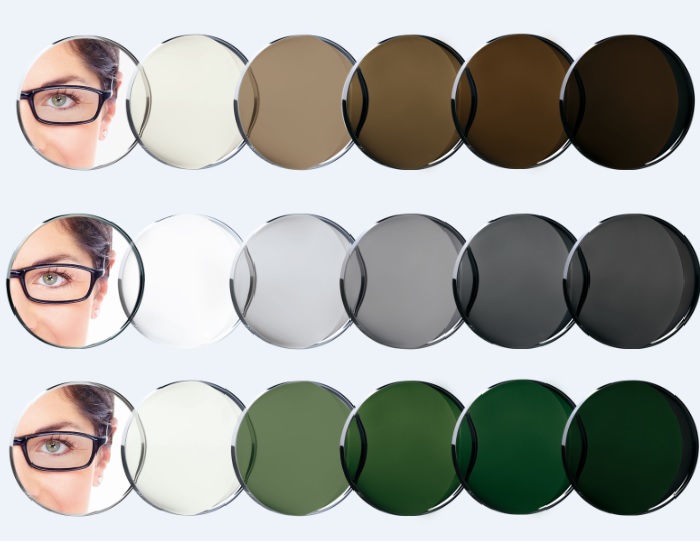
Continuing our exploration of modern eyewear in 2025, it's essential to delve deeper into what colored transition lenses are and how they function. Understanding the technology behind these adaptive lenses helps appreciate their benefits and choose the right pair for your needs. They represent a significant step forward in combining vision correction with versatile light adaptation.
What are Colored Transition Lenses?
At their core, colored transition lenses build upon existing transition lens technology. These are not just standard prescription glasses or sunglasses; they offer a dynamic solution for changing light conditions.
Transition Lenses
Traditionally, transition lenses, also known as photochromic lenses, are engineered to react to UV light. When you step outdoors and are exposed to sunlight containing ultraviolet rays, the lenses automatically darken. This provides UV protection and comfortable vision under bright conditions, similar to sunglasses. When you return indoors and the UV light exposure is significantly reduced, the lenses gradually return to their clear state, allowing for normal indoor vision without the need to swap glasses.
Colored Transition Lenses
Taking the technology a step further, colored transition lenses introduce an aesthetic element to this functionality. While traditional transition lenses typically change to shades of gray or brown, colored transition lenses darken into specific hues like green, blue, purple, or even more vibrant colors. This allows the wearer to select colored lenses that not only provide automatic UV protection and light adaptation but also complement their personal style and frame color. In 2025, they are increasingly seen as a fashionable and practical choice for those seeking versatile eyewear. To see the diverse range of colors available, explore different colored transition lenses online and find a tint that suits you.
How do Colored Transition Lenses Work?
The magic behind the automatic darkening and fading of these lenses lies in sophisticated optical science. It involves special molecules that are highly sensitive to specific types of light.
Photochromic Technology
The fundamental principle relies on photochromic technology. This involves billions of special molecules embedded within the lens material or in a thin coating on the surface. These photochromic molecules are designed to change their structure when exposed to UV light. Indoors, where UV light is minimal, the molecules remain in one state, allowing the lens to be clear. When exposed to sunlight outdoors, the UV energy causes these molecules to change their shape. This new shape causes the molecules to absorb visible light, which is why the lens appears darkened. The more intense the UV light, the darker the lens becomes, providing increased glare reduction and UV protection.
The Science Behind the Color Change
The specific color that colored transition lenses darken into is determined by the specific types of photochromic molecules or chemical compounds used. While the core reaction to UV light is the same, different chemical compositions result in different absorption spectra when activated, leading to distinct colors like blue, green, or purple when the lenses darken. For instance, if you're interested in exploring stylish options, learning about the characteristics of different colored lenses, such as green sunglass lenses, can help you understand the aesthetic possibilities.
The degree of darkening and the intensity of the color are directly influenced by the amount of UV light present. Bright, sunny days will result in a deeper tint than overcast days.
Recent Advances: Technology continues to evolve in 2025. Newer developments include nickel-based phosphate electrochromic glasses. Unlike traditional photochromic lenses which react passively to UV light, these cutting-edge lenses can offer a neutral color display and even feature smart control functionality via Bluetooth or advanced light sensitivity sensors. This represents a significant leap towards more controllable and potentially faster light adaptation. To stay updated on the latest innovations in light-sensitive lenses, check out advanced colored transition lenses options.
Benefits of Colored Transition Lenses
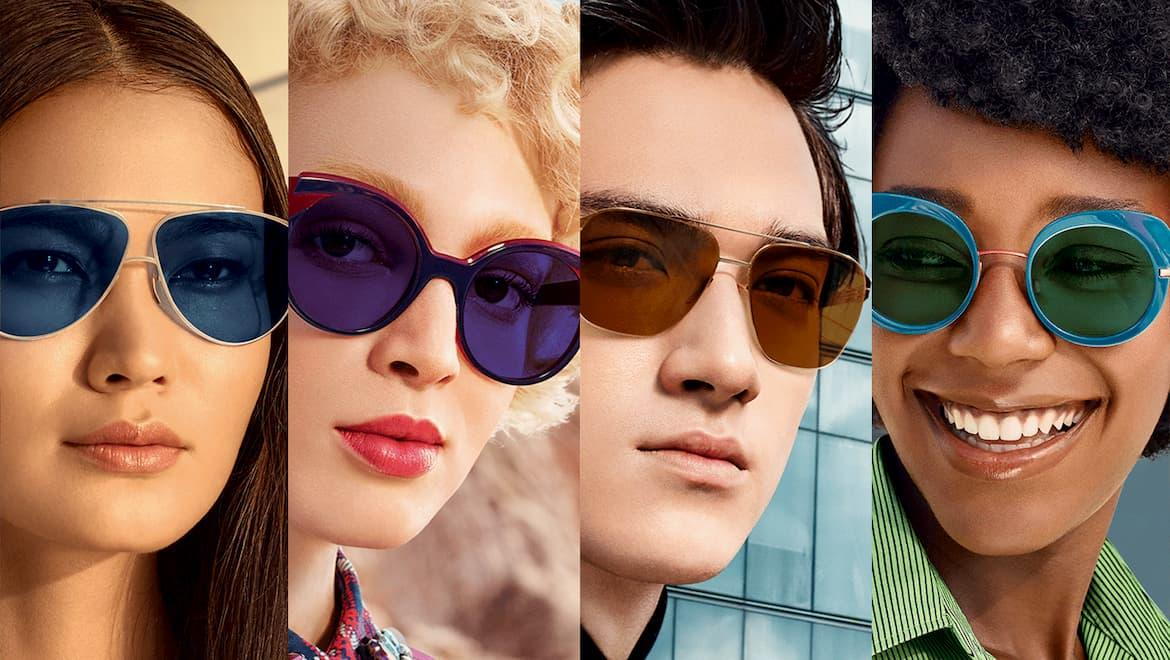
Moving beyond the technical aspects and how colored transition lenses function, let's focus on why they are becoming a popular choice in 2025. These photochromic lenses offer a range of practical advantages that enhance both vision care and daily life. Understanding these benefits helps individuals make an informed decision about whether these adaptive lenses are right for them.
Enhanced Eye Protection
Protecting your eyes from environmental factors is crucial for long-term vision health. Colored transition lenses offer significant benefits in this area, going beyond basic vision correction.
Transition Lenses UV Protection
One of the primary benefits of wearing transition lenses, including the colored varieties, is robust UV protection. In 2025, eyewear technology ensures that these lenses block 100% of harmful UVA and UVB rays from the sun. This comprehensive blocking is vital for safeguarding the delicate structures within your eyes.
Exposure to UV light over time is a known risk factor for serious eye conditions such as cataracts, macular degeneration, and photokeratitis (sunburn of the eye). By automatically darkening outdoors, colored transition lenses act as a constant barrier against this damage, reducing the risk of these sun-related eye issues. For anyone spending time outdoors, this built-in UV protection is a significant advantage. To ensure you're getting lenses that offer certified UV protection, find protective colored transition lenses designed for safety.
Transition Lenses for Eye Health
Beyond UV rays, modern life presents other challenges to eye health, notably increased screen time. Colored transition lenses in 2025 are increasingly incorporating technology to filter specific wavelengths of light, including potentially harmful blue light emitted from digital devices. This filtering can help reduce eye strain, fatigue, and dryness often associated with prolonged computer or phone use indoors.
The ability to seamlessly adjust to changing light conditions also contributes to overall eye health and comfort. Your eyes don't have to constantly strain to adapt to bright sunlight or dim indoor lighting. This provides a more relaxed and comfortable viewing experience throughout the day, reducing squinting and associated headaches. Finding the right eyewear is essential, and exploring options like cheap eyeglasses and frames allows you to protect your eyes with these advanced lenses without compromising on budget for the frame itself.
Convenience and Cost-Effectiveness
The practical advantages of using colored transition lenses in 2025 extend to daily convenience and potential long-term savings. They simplify eyewear management for many users.
No More Switching Glasses
A major benefit cited by wearers of transition lenses is the sheer convenience of not needing multiple pairs of glasses. With colored transition lenses, you no longer have to carry separate prescription glasses for indoors and prescription sunglasses for outdoors. This eliminates the hassle of remembering to switch glasses when going outside or coming back in.
The transition is automatic and seamless, allowing you to move between different environments without interruption to your vision or needing to find a place to store your other pair. This is particularly useful for people with active lifestyles, parents, or anyone who finds managing multiple pairs of eyewear cumbersome. The simplicity offered by these versatile eyewear solutions is a key selling point.
Transition Lenses Cost Comparison
While the initial price of colored transition lenses might be slightly higher than standard clear lenses, considering the overall cost-effectiveness is important. When you factor in the cost of purchasing a separate pair of high-quality prescription sunglasses in addition to your regular prescription glasses, the combined price can often exceed that of a single pair of transition lenses.
Viewing colored transition lenses as an investment in convenience and continuous eye protection highlights their value. Furthermore, having only one pair to keep track of reduces the risk of losing or damaging a second pair, potentially saving money on replacements over time. For a detailed understanding of the investment, compare colored transition lens costs to see how they stack up against buying multiple pairs.
Style and Personalization
In 2025, eyewear is not just about vision correction; it's also a fashion statement. Colored transition lenses offer exciting options for style and personalization.
A Range of Color Options
Unlike traditional transition lenses that only darkened to standard gray or brown, colored transition lenses provide a vibrant palette to choose from. Options commonly available include gray, brown, green, blue, and even bolder hues like red or purple. This variety allows individuals to select a lens tint that not only performs well but also perfectly complements their unique style and the chosen frame color.
Choosing a specific color allows for greater personalization of your eyewear. You can match your lens color to your favorite outfits, accessories, or simply pick a shade that you find aesthetically pleasing. This fusion of advanced photochromic technology with personal style makes colored lenses a fashionable choice. To see the full spectrum of possibilities, explore colorful transition lens options and find the tint that expresses you best.
Suitable for All Ages
The benefits of colored transition lenses make them suitable for all ages, from young kids needing their first pair of glasses to adults seeking modern, convenient eyewear. For children, the appeal of having colored lenses can make wearing glasses more fun and encouraging. The automatic sun protection is also vital for young eyes, which are particularly susceptible to UV damage.
For adults, they offer a sophisticated and practical solution for varying light conditions without the fuss of multiple pairs. Whether for reading, driving, working, or outdoor activities, colored transition lenses provide consistent vision correction and UV protection, making them a versatile choice for anyone requiring prescription eyewear in 2025.
Choosing the Right Colored Transition Lenses

Now that we've explored the compelling benefits of colored transition lenses in 2025, the next logical step is understanding how to select the pair best suited for your individual needs. This involves considering various factors, from your daily activities to the specifics of your prescription and preferred style. Making an informed choice ensures you gain the maximum value and performance from your light-adaptive eyewear.
Factors to Consider
Selecting the ideal colored transition lenses isn't just about picking a color. Several practical factors play a crucial role in determining which lenses will perform optimally for you. Evaluating these points helps narrow down the options and ensures satisfaction with your final choice.
Lifestyle and Activities
Your daily lifestyle and primary activities are paramount in deciding which colored transition lenses are right for you. Consider where you spend most of your time. Are you frequently outdoors, involved in sports, driving, or primarily indoors working on screens?
Different lens colors offer varying benefits in specific light conditions. For instance, brown or amber tints can enhance contrast and depth perception, potentially beneficial for driving or certain outdoor activities. Gray tints offer neutral color representation, ideal for general everyday wear. Understanding how each tint performs in different light environments relevant to your lifestyle is key. Choosing a lens color that complements both your activities and personal style provides both functional and aesthetic benefits.
Prescription Needs
It's essential to ensure that colored transition lenses are compatible with your specific prescription needs in 2025. Most modern photochromic technologies can be incorporated into a wide range of lens types. This includes standard single vision lenses for reading or distance, as well as more complex progressive lenses or bifocals for those requiring correction at multiple distances.
Discussing your prescription requirements with an optician is vital. They can confirm that the chosen colored transition lens option is suitable for your vision correction needs and that the transition technology will function correctly with your specific lens design. For many, finding compatible lenses online has become easier; explore options to suit your vision by looking into best online prescription glasses providers. This ensures your colored transition lenses provide optimal vision correction alongside their light-adaptive properties.
Frame Compatibility
The frames you choose are just as important as the lenses themselves when considering colored transition lenses. Not all frames are ideally suited for every lens type or thickness. While colored transition lenses are versatile, ensuring the frames you select are compatible is crucial for both aesthetics and function.
Choose frames that fit well and feel comfortable for extended wear. The frames should be durable enough to withstand your daily routine. Furthermore, consider how the chosen frame style and color will look with the potential colored lens tints you are considering. Some frame colors might pair better with certain lens colors, enhancing the overall appearance of your eyewear. Finding the right combination of frames and lenses ensures both optimal vision and style. To browse suitable frame options that pair well with these innovative lenses, select frames for colored transition lenses.
Brands and Models
The market for photochromic lenses, including colored transition lenses, is dominated by several reputable brands offering various models. Understanding these key players and their specific offerings helps in making an informed decision about your purchase in 2025.
Top Manufacturers
When researching colored transition lenses, you'll encounter several top manufacturers renowned for their photochromic technology. Transitions Optical is perhaps the most widely recognized name, often used generically for transition lenses. Other significant players include companies like Essilor (which owns Transitions), and Zeiss, known for their high-quality optics.
These brands invest heavily in research and development to improve the speed of transition, clarity indoors, and the longevity of the light-adaptive properties. Looking for customer reviews and ratings for lenses from these well-known brands can provide valuable insights into real-world performance and user satisfaction. Choosing a product from a top manufacturer often means investing in reliable and proven technology.
Specific Models
Within each major brand, there are often specific models of transition lenses, each with potentially different features or performance characteristics, particularly concerning colored options. For example, one model might offer a wider range of color options, while another might prioritize speed of transition or indoor clarity.
Researching these specific models allows you to compare features such as how dark the lenses get, how quickly they activate and fade back to clear, and the precise color options available (e.g., Signature GEN 8, XTRActive Polarized from Transitions). Comparing prices, warranty information, and available color choices for different models helps you find the best fit for your needs and budget. For a direct comparison of available options and pricing on popular colored transition lens models, compare specific colored transition lens models.
Addressing Common Concerns and Misconceptions About Colored Transition Lenses

Even with the advancements in colored transition lenses in 2025, potential users often have questions or concerns. It's important to address these directly to help you make an informed choice about this type of light-adaptive eyewear. Understanding how they perform in various scenarios is key.
This section tackles some of the most frequently asked questions and clears up common misunderstandings surrounding photochromic lens technology, especially concerning their real-world performance in different environments.
Do Colored Transition Lenses Work in the Car?
A frequent question people have about colored transition lenses is whether they darken effectively while driving. The answer isn't a simple yes or no, as it depends on the specific technology and the car's design.
Many standard transition lenses rely primarily on UV light to activate and darken. However, car windshields are designed to block a significant amount of UV light for safety and comfort. This blockage can limit how much traditional photochromic lenses will darken inside a vehicle.
UV Light and Car Windshields Impact
Most automotive windshields in 2025 incorporate materials that absorb or reflect a large percentage of ultraviolet radiation. This is beneficial for protecting the car's interior and the occupants' skin from damaging UV rays.
However, this design also means that standard colored transition lenses, which are activated by UV light, receive less of the stimulus needed to initiate the darkening process when you are sitting inside the car. Consequently, they may only reach a minimal tint or not darken at all.
Some newer photochromic technologies, however, are engineered to react to visible light in addition to UV light. These advanced transition lenses offer better performance behind the wheel. While they may not get as dark as they would under direct sunlight outdoors, they can provide a noticeable level of tinting inside a vehicle.
Driving-Specific Colored Transition Lens Options
If driving comfort is a major priority for you, it's worth exploring colored transition lenses specifically designed with driving in mind. Some manufacturers offer lens models optimized for this scenario.
These driving-specific options are often formulated to respond more readily to the visible light present inside a car. They can provide a helpful level of tinting to reduce brightness and improve vision while behind the wheel.
Additionally, some transition lenses for driving incorporate polarized technology. Polarized lenses are highly effective at reducing glare from surfaces like roads, water, or snow. This can significantly enhance visual comfort and safety while driving, especially in bright or wet conditions. When looking for prescription lenses suitable for driving, considering options from providers of best online prescription glasses can offer a wide selection. To find suitable colored transition lenses that might offer enhanced driving performance, you can explore options here: driving colored transition lenses.
Are Colored Transition Lenses Good for Skiing and Mountain Biking?
For outdoor enthusiasts, particularly those involved in sports like mountain biking or skiing, adaptive eyewear is highly appealing. Colored transition lenses can offer benefits in these activities, but their suitability depends on the specific conditions and lens features.
Transition Lenses for Mountain Biking
Mountain biking often involves rapidly changing light conditions as you move between open sunny areas and shaded trails. Colored transition lenses can be beneficial here by automatically adjusting their tint.
A fast-reacting photochromic lens is crucial for mountain biking. As you duck into a shaded section of trail, the lenses need to lighten quickly so you can maintain clear vision. When you emerge into sunlight, they should darken promptly to protect your eyes from glare and bright light. The adaptive nature provides continuous eye protection without the need to switch between different pairs of glasses or goggles.
Colored Transition Lenses for Skiing Conditions
Skiing also presents variable light conditions, from bright sunshine reflecting off snow to flat light on cloudy days or shaded areas. Colored transition lenses can perform well in skiing by adjusting to these changes.
Using transition lenses for skiing can eliminate the hassle of carrying and swapping between clear goggles and sunglasses. They provide appropriate tinting for both bright sun and overcast conditions.
However, there's a potential drawback, particularly if the lenses are polarized. While polarization is great for reducing glare from sunlit snow, it can sometimes make it harder to distinguish patches of ice on the slope. This is because polarization can flatten your perception of certain surface textures. For skiers, weighing the benefits of glare reduction against the need to clearly see ice patches is important when considering colored transition lenses. To browse options suitable for various outdoor activities, see what's available among colored transition lenses for sports.
Colored Transition Lenses Pros and Cons
Like any technology, colored transition lenses come with their own set of advantages and disadvantages. Understanding these pros and cons helps potential users decide if they are the right eyewear solution for their needs in 2025.
Weighting these points against your personal lifestyle and requirements is essential.
Advantages of Colored Transition Lenses
The pros of choosing colored transition lenses are significant for many users.
One major advantage is convenience. You only need one pair of glasses for both indoor and outdoor use, eliminating the need to carry separate sunglasses. This is particularly beneficial for people who frequently move between different light environments.
Another key benefit is eye protection. Colored transition lenses block 100% of harmful UVA and UVB rays, regardless of their tint level. This is crucial for long-term eye health.
They can also be cost-effective over time, as they potentially replace the need to purchase separate prescription eyeglasses and prescription sunglasses.
Finally, the availability of different colors adds a style element, allowing wearers to choose tints that complement their personal look or frame choice. They are suitable for a wide range of activities and lifestyles, offering adaptable vision correction and protection.
Disadvantages of Colored Transition Lenses
Despite their benefits, colored transition lenses do have some cons to consider.
As mentioned, they may not darken effectively inside a car, which can be a significant disadvantage for frequent drivers.
Their performance can also be affected by temperature; they tend to get darker and fade slower in cold weather, and lighter and fade faster in hot weather. This means their tint level might not be perfectly consistent in extreme temperatures.
While suitable for many sports, as noted with skiing and polarized options, they might not be ideal for all sports or activities where very specific or consistent tinting is required regardless of light level.
Finally, the initial cost of colored transition lenses can be higher than standard clear prescription lenses or basic sunglasses. However, this cost is often offset by not needing two separate pairs of eyewear. To compare prices and features of various colored transition lenses, you can view options here: explore colored transition lenses pros and cons.
The Future of Transition Lens Technology

Building on the present capabilities of colored transition lenses in 2025, researchers and manufacturers are continually pushing the boundaries of adaptive eyewear technology. The aim is to create lenses that react faster, offer more control, and perform better in a wider range of conditions. This forward-looking perspective explores the next steps in photochromic and related lens technology.
Future innovations promise even greater convenience, vision clarity, and style options for wearers of light-adaptive lenses.
Electrochromic Lenses: The Next Generation
While photochromic technology has been the standard for transition lenses, electrochromic technology represents a significant potential leap forward. This alternative approach offers distinct advantages in controlling lens tint.
This next generation of adaptive lenses is under active development, holding promise for faster and more precise control over lens darkness.
Electrochromic Lenses Technology
Electrochromic lenses work fundamentally differently from traditional photochromic lenses. Instead of relying on UV light exposure to initiate a chemical reaction, they utilize electrical signals. A small electrical current is passed through a thin layer of material within the lens, causing it to change color or tint.
This method allows for much faster transitions between clear and dark states compared to some photochromic materials. The darkening and clearing process can be almost instantaneous in some experimental setups. Furthermore, the tint level can potentially be controlled more precisely, allowing for intermediate shades rather than just clear or fully darkened states. This level of control is a key differentiator for electrochromic technology.
Smart Control Electrochromic Glasses
The application of electrochromic technology leads to the concept of smart control electrochromic glasses. These glasses could feature neutral color lenses that adapt based on light sensitivity but also incorporate smart control features.
Imagine adjusting the tint of your colored transition lenses manually via a smartphone app connected via Bluetooth. This would give users unprecedented control over their eyewear, allowing them to set the exact level of tint desired for specific situations, regardless of the ambient light conditions. This technology could also potentially be integrated into options for new lenses for old frames, allowing wearers to upgrade existing, favorite frames with cutting-edge adaptive capabilities in the future. The fusion of electrical control and connectivity offers exciting possibilities for truly personalized vision correction and protection.
Polarization and Low Light Innovations
Beyond electrochromics, ongoing research is improving existing photochromic lens capabilities, particularly in areas like polarization and performance in low light conditions. These enhancements address specific scenarios where current transition lenses might have limitations.
Developments in these areas aim to broaden the utility and effectiveness of colored transition lenses for various activities and environments.
Photochromic Lens Polarization
A significant area of development is the integration of photochromic technology with polarization. While some transition lenses are available with polarization, combining the two features effectively presents technical challenges. Future advancements are focused on creating photochromic lenses that seamlessly incorporate robust polarization across their entire tint range.
This combination would offer enhanced glare reduction in bright light conditions, which is particularly beneficial for activities like driving, fishing, or water sports where reflected light can be intense. A lens that automatically darkens and polarizes would provide superior visual comfort and clarity outdoors. Integrating these technologies effectively remains a key goal for future adaptive eyewear.
Colored Lenses for Low Light Conditions
Another area of innovation involves developing colored transition lenses specifically designed to improve vision in low-light environments. While most transition lenses are optimized for sun protection, there is a growing interest in lenses that can enhance contrast and brightness when light is scarce.
These specialized colored lenses might use specific tints that filter light in a way that boosts visibility during night driving, at dawn/dusk, or during indoor sports played under artificial lighting. The goal is to provide lenses that not only protect in bright light but also actively improve vision performance when it's dim. Research into specific color technologies for low-light enhancement is ongoing. For a look at the current state of advanced colored transition lenses, including options that incorporate some of these features, you can explore possibilities here: future colored transition lenses.
Elevate Your Digital Visibility
In conclusion, mastering SEO is paramount for online success in today's competitive landscape. We've covered key areas from keyword research and on-page optimization to technical SEO and link building. Implementing a holistic approach ensures your website is not only search-engine friendly but also provides a superior user experience. Regularly analyzing your performance and adapting your strategy based on data is crucial for sustained growth. By leveraging the techniques discussed, you can significantly improve your search rankings, attract more qualified leads, and achieve your business objectives. Stay ahead of the curve by continuously educating yourself on the latest SEO trends and algorithm updates. Remember, consistent effort and a strategic mindset are the cornerstones of effective SEO.


Comments
Post a Comment