The Ultimate Guide to Buying Flawless Prescription Shades
The Ultimate Guide to Buying Flawless Prescription Shades
Are you tired of choosing between clear vision and sun protection on a bright day? This comprehensive guide demystifies everything from understanding your prescription rights to decoding advanced lens options. We provide the essential knowledge you need to confidently find your ideal eyewear. Your perfect pair is just a click away; start by exploring this vast collection of prescription shades to find a style that fits both your vision and your budget.
【Your Prescription Sunglasses Buying Guide】
Understanding Your Prescription and Your Rights
What you need before you shop
Did you know you have a right to your own prescription? The Federal Trade Commission's Eyeglass Rule mandates it.
After your eye exam, your doctor must give you a copy of your prescription. They cannot charge you an extra fee for it.
This rule also means they cannot require you to buy your prescription shades from them. This applies to prescriptions for both eyeglasses and contact lenses, giving you the freedom to shop anywhere.
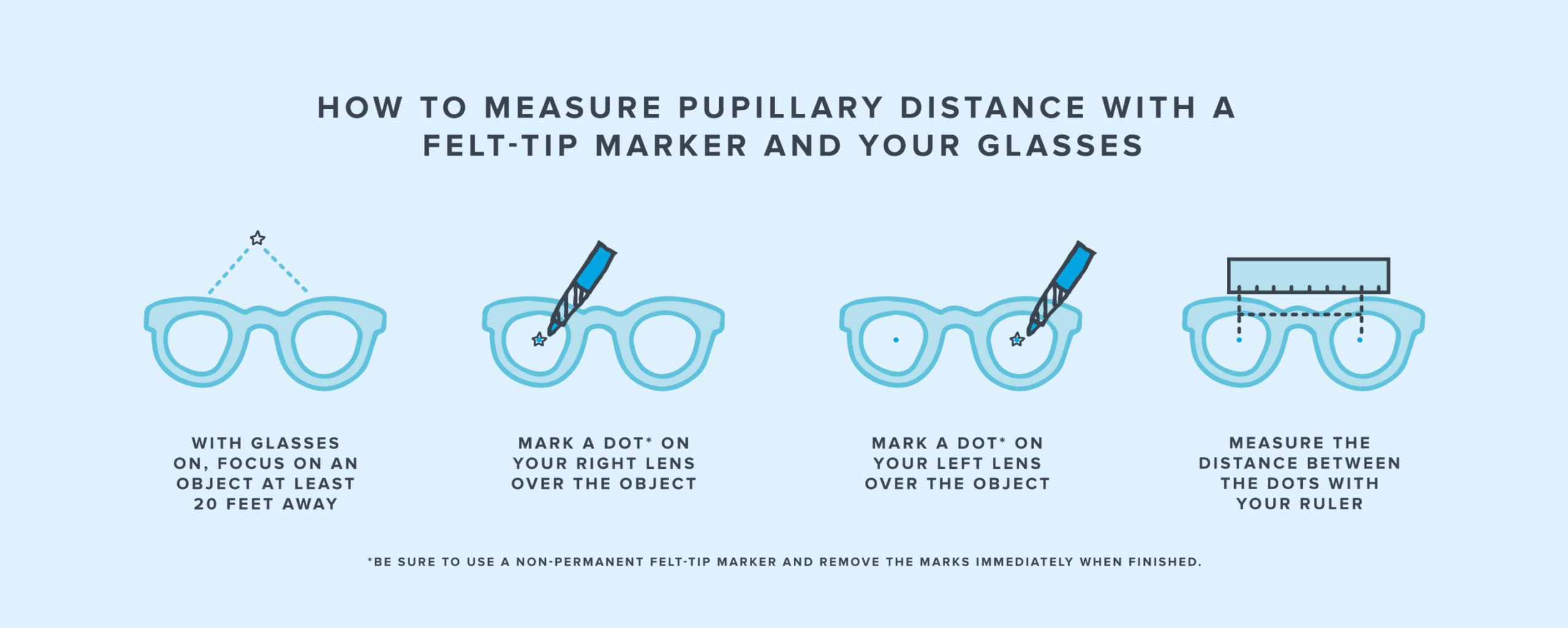
What is Pupillary Distance (PD)?
One of the most crucial numbers for your prescription sunglasses is the Pupillary Distance, or PD.
Simply put, it's the distance in millimeters between the centers of your pupils.
This measurement is essential for centering your prescription correctly in the lenses. An incorrect PD can cause blurred vision, eye strain, or even headaches.
Measuring Your Pupillary Distance for Glasses
The most accurate way to get your PD is to ask for it at your doctor's office.
In some states, doctors are required by law to include the pupillary distance on your prescription.
While some online tools exist to help you measure it, it's best to use them with caution. For a first-time online purchase, a measurement from your eye doctor is the safest bet for perfect prescription shades.
Decoding Your Lens Options
Polarized vs. Non-Polarized Prescription Lenses
When choosing lenses, one of the first decisions is polarized or non-polarized.
Polarized lenses are specifically designed to reduce intense glare from reflective surfaces like water, snow, and roads. This makes them ideal for driving and outdoor sports.
Non-polarized lenses reduce the overall brightness but don't filter that distracting, horizontal glare as effectively.
High-Index Sunglass Lenses Explained
If you have a strong prescription, you might worry about thick, heavy "coke bottle" lenses in your frames.
This is where high-index sunglass lenses are a must. They are made from a material that is thinner, lighter, and better at bending light.
This is often an add-on cost, sometimes $50-$100 or more, but it is necessary for both the aesthetics and comfort of your eyewear, especially with a higher prescription.
Light-Responsive Lenses vs. Sunglasses
Light-responsive lenses, also called photochromic lenses, darken in UV light and lighten when you go indoors.
Dedicated sunglasses, on the other hand, provide a consistent level of tint and are often darker in peak sunlight.
The biggest factor for many is that photochromic lenses do not darken inside a car, as the windshield blocks the UV rays needed to trigger the tinting effect.
Do You Need Blue Light Filtering in Sunglasses?
Blue light filtering is primarily designed to help reduce eye strain from digital screens.
However, it can be beneficial in sunglasses, too. One user shared her story that adding blue light filtering to her Ray-Ban prescription lenses completely eliminated her daily headaches.
While the sun does emit blue light, the primary function of sunglasses remains UV protection. Think of blue light filtering as a potential comfort-enhancing add-on.
How to Use Insurance for Sunglasses
Using Your Vision Insurance Plan
Most in-store retailers like Costco, Target, and Warby Parker will accept major vision insurance plans directly.
Online-only retailers typically require you to pay out-of-pocket first. You then submit a claim form to your insurance provider for reimbursement.
Warby Parker's site is particularly useful, as it can help you check your benefits and will assist with the reimbursement forms.
Using FSA for Prescription Sunglasses
Don't overlook your Flexible Spending Account (FSA) or Health Savings Account (HSA).
These accounts let you use pre-tax dollars to pay for your prescription frames, lenses, and eye exams.
Most retailers accept FSA/HSA cards just like a major credit card, making it a simple and effective way to pay.
The Hidden Cost: When Promotions Beat Insurance
Always ask for the final price both with and without your insurance. Sometimes a good promotion is the better deal.
One shopper at Target Optical found that a "$100 off any pair" promotion, combined with a $25 coupon, resulted in an out-of-pocket cost that was cheaper than using her vision insurance.
Comparing the final cost of prescription sunglasses is crucial; a great sale can sometimes beat your co-pay.
With a clear understanding of your prescription rights, lens types, and payment options, you're now equipped to find the perfect pair. The key is having a wide selection to compare different frames and features side-by-side. To start exploring all the possibilities and find a style that fits both your vision needs and your budget, check out this extensive collection of prescription shades.
【Prescription Sunglasses Retailers: Online vs. In-Store】
Choosing where to buy your prescription sunglasses can be as important as choosing the frames themselves. Your decision pits the rock-bottom prices of online giants against the high-touch service of in-store opticians.
The Online-Only Giants: Best for Budget Prescription Sunglasses?
Online-only retailers have completely changed the eyewear market, offering prescription shades at incredibly low prices. They cut out the middleman, passing the savings directly to you.
Zenni vs. EyeBuyDirect for Sunglasses
Two of the biggest names in online eyewear are Zenni Optical and EyeBuyDirect. While both are known for affordability, they have key differences.
| Feature | Zenni Optical | EyeBuyDirect |
|---|---|---|
| Starting Price | As low as $6.95 for frames | Frames often start around $20-$30 |
| Reputation | Known as an industry disruptor, but its 2025 Consumer Reports rating dropped from #3 to #11. | A strong competitor with a "buy one, give one" charity model. |
| Discounts | Focuses on consistently low prices. | Offers style quizzes, student/veteran discounts, and welcome bonuses. |
| Shipping | ~$4.95 standard shipping. | Frequently runs free shipping promotions. |
Potential Downsides of Shopping for Prescription Shades Online
The biggest drawback is the lack of a hands-on experience. For users with very strong prescriptions or significant astigmatism, frame choices can be more limited.
Return policies can also be tricky. Some retailers may charge a 50% return fee if the mistake was on your end, such as providing an incorrect pupillary distance (PD).
The Hybrid Champion for Prescription Eyewear: Warby Parker
Warby Parker masterfully blends the online and in-store experience, solving the biggest problem of buying glasses online: not being able to try them on.
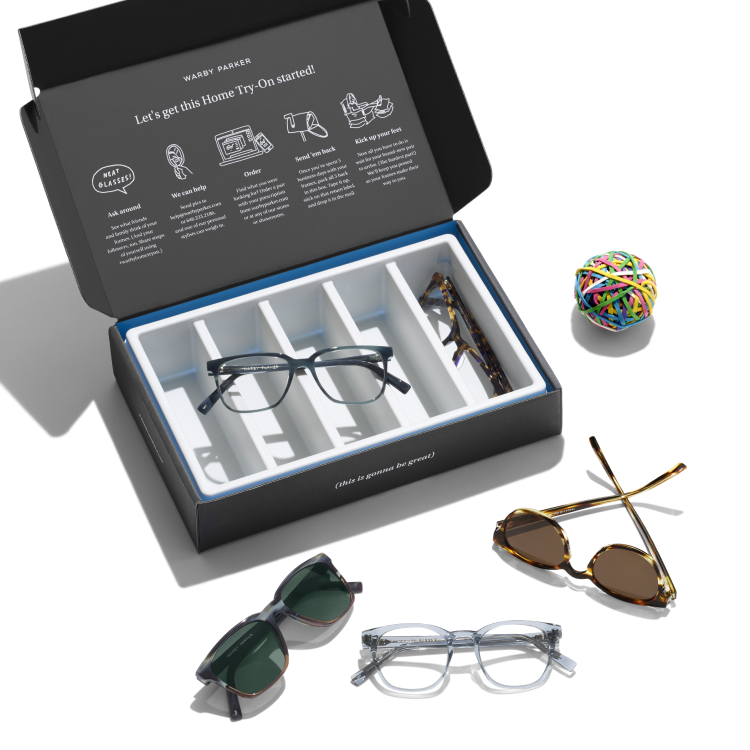
Warby Parker Home Try-On for Sunglasses
Warby Parker's signature program lets you select five different frames to test out at home for five days, completely free of charge.
The box includes a prepaid return label, making the process seamless. This allows you to feel the frames, see how they look, and get opinions from family and friends without any sales pressure.
Pricing, Insurance, and Value for Your Sunglasses
Prescription eyewear from Warby Parker starts at a competitive $95, which includes basic single-vision lenses. They also accept most major vision insurance plans directly on their site.
The main limitation is brand selection. Warby Parker exclusively sells its own in-house brand, so you won't find designer options like Ray-Ban or Oakley.
The Warehouse Clubs: Top-Rated for Quality Prescription Shades
For those who prioritize customer service and quality assurance, warehouse clubs and big-box retailers are a top choice.
Costco Optical Sunglasses Review
In a 2025 Consumer Reports survey, Costco Optical was ranked #1 for overall satisfaction among eyewear retailers.
Members praise its exceptional customer service and generous return policy. A basic pair of prescription glasses costs around $126 ($59.99 for frames + $65.99 for lenses), but you must have a Costco membership to make a purchase.
Target Optical vs. Walmart Vision Center for Your Eyewear
Both Target and Walmart offer the convenience of getting an eye exam and buying your prescription sunglasses during a regular shopping trip.
Target Optical stands out by allowing you to check your insurance benefits online for over 50 different plans. Walmart Vision Center, on the other hand, competes on price, with some of the lowest starting costs in the industry—frames from just $9 and lenses from $30.
The best retailer for your new eyewear depends on your personal priorities, whether it's the absolute lowest price, a risk-free home try-on, or top-rated in-person service. To start comparing a vast selection of styles and brands from the comfort of your home, you can find a pair that fits your exact needs and budget. Explore this extensive collection to find the right prescription shades for you.
【The Future is Now: Smart Prescription Glasses】

The world of eyewear is no longer just about vision correction or sun protection. The latest generation of intelligent eyewear blends cutting-edge technology directly into your frames, offering everything from virtual screens to AI assistants.
What Are Prescription Smart Glasses?
At its core, a pair of smart glasses integrates computer technology into a wearable frame. But the "smart" functionality can vary dramatically between models, catering to very different needs.
AR, AI, or Audio: Picking Your Style
Smart glasses generally fall into three categories:
Augmented Reality (AR) Glasses: Models like the Viture Pro XR and Xreal Air 2 Pro are designed for immersive experiences. They project a large, private virtual display in your field of view, perfect for gaming, watching movies on the go, or creating a multi-monitor workspace anywhere.
AI Glasses: These glasses, such as the Ray-Ban Meta and Solos, are built for capturing and interacting with the world. They feature high-quality cameras, microphones, and built-in AI assistants, allowing you to take photos, stream live video, and get information, all hands-free.
Audio Glasses: The simplest of the bunch, audio glasses from brands like Chamelo focus on one thing: sound. They use open-ear speakers to play music and take calls while keeping your ears open to your surroundings.
How Prescriptions Work with Smart Glasses
Adding your vision correction to these tech-infused glasses is a critical step. There are two primary methods manufacturers use.
The most common approach is a prescription insert. This is a small, separate lens frame that holds your prescription lenses. It securely snaps onto the inside of the smart glasses, positioned between your eyes and the device's display. The Viture Pro XR and Xreal Air 2 Pro both use this system.
Alternatively, some models like the Ray-Ban Meta Wayfarer allow for custom lenses. You purchase the smart glasses with standard, non-prescription lenses and then take the frames to your own optician to have your specific prescription lenses made and fitted, just as you would with a regular pair of sunglasses.
Prescription Smart Glasses Review
With different models excelling in different areas, choosing the right pair depends entirely on what you want to do with them.
Viture Pro XR vs. Xreal Air 2 Pro: Best for AR
For those seeking a portable private cinema or an expansive work display, the Viture Pro XR is a top contender. It boasts a massive 135-inch virtual screen with a smooth 120Hz refresh rate and impressive audio from built-in Harman speakers. A standout feature is its integrated myopia adjustment, allowing some nearsighted users to use it without their glasses.
The Xreal Air 2 Pro is a very close competitor, also featuring a brilliant Sony Micro-OLED display. Its key advantage is electrochromic dimming, which lets you instantly switch between three levels of tint to block out ambient light.
For both of these AR glasses, you will need to purchase the separate prescription lens insert to accommodate your vision needs.
Best for Content Creators: Ray-Ban Meta Wayfarer
If your focus is on creating content and interacting with AI, the Ray-Ban Meta Wayfarer is in a class of its own. It seamlessly integrates a 12MP camera for high-quality photos and live video streaming directly into its classic frame.
With Meta AI, you can use voice commands to control the glasses and access information. While it perfectly blends timeless style with modern tech, it's important to note that this model has no AR display; it's all about capturing the world around you.
The Big Questions: Privacy and Durability
Before you invest in smart eyewear, it's essential to consider the practical concerns of privacy and lens compatibility.
Are They Watching You?
Privacy is arguably the biggest concern with smart glasses that have cameras. To address this, the Ray-Ban Meta glasses feature a bright, forward-facing LED light that illuminates whenever the camera is recording, alerting people around you.
However, you should also be aware that as the user, your data is being collected and processed by the parent company, in this case, Meta.
Can You Add Prescription Lenses to Any Sunglasses?
This is a common question, but the answer is no. It is not always possible to fit prescription lenses into any frame you like.
Frames that are highly curved, such as wraparound sport styles, or have very unusual shapes, present significant challenges for opticians. Trying to fit a prescription lens into an incompatible frame can distort your vision or be physically impossible. It's almost always safer and more affordable to choose frames designed from the start to hold prescription lenses.
What Are the Best Options for Strong Prescription Sunglasses?
If you have a high-strength prescription, your best bet is often an in-store retailer like Costco Optical or a local, independent optician.
These professionals can provide the most accurate measurements, including a crucial pupillary distance (PD), and offer expert advice. They can recommend the right high-index lenses to keep them thin and lightweight and help you select a frame that will work best with your specific vision needs. While online retailers offer convenience, they may severely limit your frame choices if your prescription falls outside their standard range.
Navigating the world of specialized eyewear, from high-tech smart glasses to frames for strong prescriptions, can be complex. To simplify your search and discover a huge range of frames that are guaranteed to work with your vision correction, you can browse a curated collection online. Find the perfect fit for your needs by exploring a wide variety of prescription sunglasses.
【Your Path to Perfect Vision and Style】
Armed with this guide, you are now fully equipped to make an informed decision when purchasing your next pair of eyewear. You've learned the importance of owning your prescription and knowing your Pupillary Distance (PD), which empowers you to shop anywhere. You can now confidently distinguish between key lens technologies—choosing glare-reducing polarized lenses for outdoor activities, lightweight high-index materials for strong prescriptions, or even photochromic lenses for convenience.
Furthermore, you understand the financial landscape, from leveraging vision insurance and FSA/HSA accounts to recognizing when a retail promotion offers a better deal. Whether you prefer the rock-bottom prices of online-only stores, the risk-free home try-on model of hybrid retailers, or the trusted in-person service of warehouse clubs, you can now select a retailer that aligns with your priorities.
The key takeaway is that finding the right prescription shades involves matching the frame, lenses, and retailer to your unique vision needs, lifestyle, and budget. You have the knowledge to navigate these choices with ease, ensuring your new sunglasses provide optimal protection, clarity, and style.
MjAyNTA3MjMxMjQ3MzY 当前显示MjAyNTA3MjMxMjQ3MzY。


Comments
Post a Comment