The Ultimate Guide to RX Contacts: Order Online & Protect Your Eyes
The Ultimate Guide to RX Contacts: Order Online & Protect Your Eyes
Are you struggling to decipher your contact lens prescription or find the best place to buy them online? This guide demystifies everything from prescription terms to lens types, empowering you to make informed decisions for your eye health. We provide the essential knowledge you need to confidently and safely order the perfect rx contacts from a comprehensive online catalog, ensuring you get the exact vision correction prescribed by your doctor.
【Understanding Your Prescription & Needs】
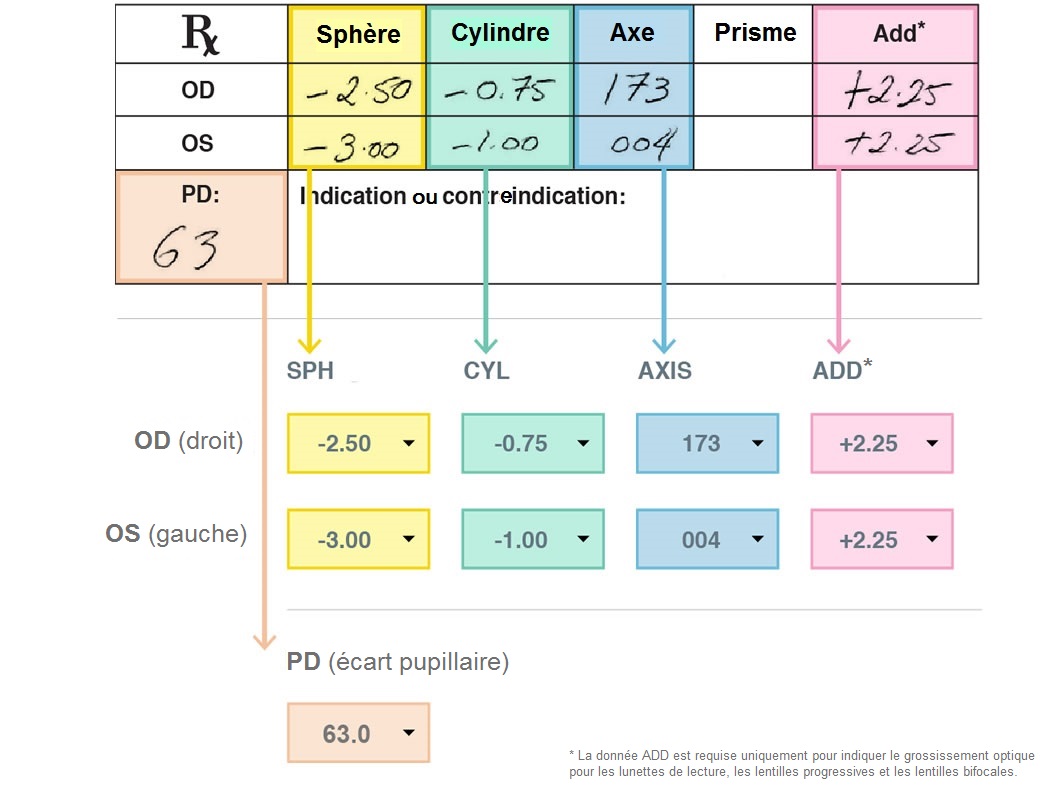
What You Need to Order RX Contacts Online
Ordering prescription contacts online is straightforward once you have the right information. Your prescription is the key, but it contains specific terms that you must understand to order correctly. Think of it as a unique blueprint for your eyes.
Deciphering Your Prescription
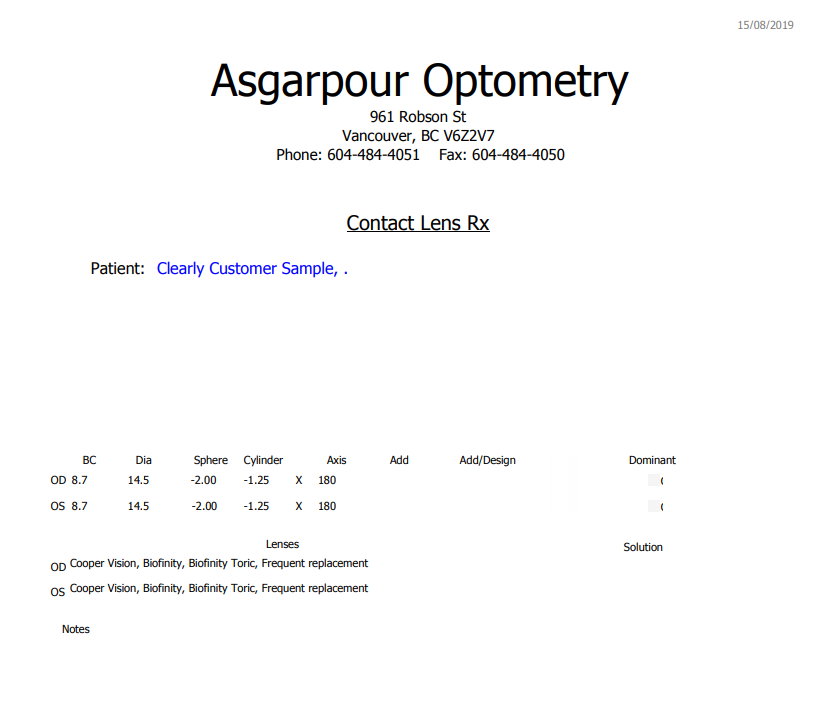
Your contact lens prescription is more than just a single number. It has several values that ensure your lenses fit properly and correct your vision accurately.
Here are the essential terms you'll find:
- Power (PWR) or Sphere (SPH): This indicates the strength of your vision correction, measured in diopters. A minus sign (-) corrects nearsightedness, while a plus sign (+) corrects farsightedness.
- Base Curve (BC): This measures the curvature of the inside of your contact lens. It's crucial for a comfortable fit, ensuring the lens sits perfectly on your cornea.
- Diameter (DIA): This is the width of the contact lens from edge to edge. It ensures the lens covers your cornea correctly.
You will also see OD and OS, which are Latin abbreviations for your right eye (Oculus Dexter) and left eye (Oculus Sinister). Each eye often has a slightly different prescription.
If you have astigmatism, your prescription will include two additional values for `toric contact lenses for astigmatism`:
- Cylinder (CYL): This measures the extra power needed to correct the irregular shape of the cornea.
- Axis: This indicates the orientation of the cylinder power on the lens, measured in degrees from 1 to 180.
Most importantly, you must have a valid, unexpired prescription from a licensed optometrist or ophthalmologist. In the United States, contact lens prescriptions are typically valid for one year, and retailers are legally required to verify it before selling you **RX contacts**.
Understanding Pupillary Distance (PD)
Why PD Matters for Vision Correction
Another critical measurement for perfect vision is your Pupillary Distance, or PD. While not always written on your contact lens prescription, it's vital information.
So, `what is pupillary distance for contacts`? It is simply the distance, measured in millimeters, between the centers of the pupils in each of your eyes.
This measurement is essential because it ensures the optical center of your lenses aligns directly with your pupils. When aligned correctly, you get the sharpest, clearest vision possible. An incorrect alignment can lead to eye strain, headaches, and blurry vision, defeating the purpose of your corrective lenses.
You can get your PD directly from your eye doctor—it's best to ask them to include it during your exam. Some reliable online tools can also help you measure it, but a professional measurement is always the most accurate.
The Rise of Online Eye Exams
Convenience vs. Comprehensive Care
For those with a stable prescription, an `online eye exam for contacts renewal` might seem like a tempting shortcut. These services have grown in popularity due to their convenience.
An online vision test typically involves using your computer and smartphone to go through a series of checks. A licensed ophthalmologist then reviews the results and, if your vision hasn't changed, issues a renewed prescription.
Pros: - Convenience: You can do it from home, on your own schedule. - Speed: The process is often much faster than scheduling and attending an in-person appointment. - Cost: It can be less expensive than a full exam if you only need a simple renewal.
Cons: - It's Not a Health Exam: This is the most critical drawback. An online test only checks your visual acuity. It cannot detect serious, sight-threatening eye diseases like glaucoma, cataracts, macular degeneration, or diabetic retinopathy, which often have no early symptoms.
According to the American Academy of Ophthalmology, a comprehensive, in-person eye exam is the only way to ensure your eyes are healthy. Experts strongly recommend that even contact lens wearers with stable vision get an in-person exam at least every two years, or as recommended by their doctor, to safeguard their long-term eye health.
Once you have your valid 2025 prescription and understand all its components, you are fully equipped to purchase your lenses. Knowing these details empowers you to find the exact lenses prescribed by your doctor for optimal comfort and vision. To easily filter by brand, power, and base curve and find the specific lenses you need, you can browse a comprehensive catalog of RX contacts.
【Choosing the Right Type of Contact Lenses】
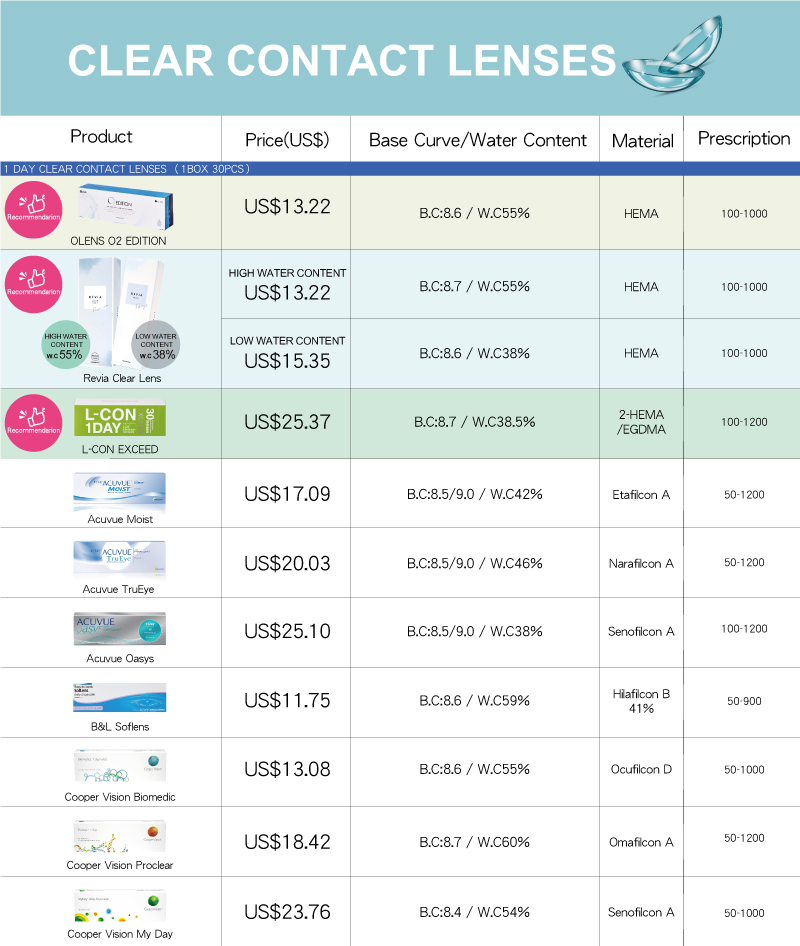
Daily vs. Monthly Contacts: The Showdown
A Comparison of Wear Schedules
After your prescription, the most significant choice you'll make is the wear schedule. This decision pits convenience against cost and hygiene against habit.
The **best daily disposable contacts** are celebrated for their simplicity and health benefits. You wear a fresh pair every morning and discard them at night. This eliminates the need for cleaning solutions and cases, making them incredibly convenient, especially for travelers or those with allergies. The primary downside is the cost, as you're purchasing 365 pairs of lenses per year, which also generates more packaging waste.
Monthly lenses, on the other hand, are the more economical option. You wear the same pair for about 30 days, removing and cleaning them each night. This requires discipline. You must know `how to clean contact lenses properly` to avoid protein buildup and reduce the risk of eye infections. While they are friendlier to your wallet and the environment, they demand a consistent daily care routine.
Here’s a direct comparison of `monthly vs daily contacts`:
| Feature | Daily Disposable Contacts | Monthly Lenses | | :--- | :--- | :--- | | **Annual Cost** | Higher | Lower | | **Hygiene** | Highest (fresh pair daily) | Good (requires daily cleaning) | | **Convenience** | Highest (no cleaning needed) | Lower (requires nightly care) |
Hard vs. Soft Lenses: A Material Difference
The Feel and Function of Your Lenses
The material of your lens impacts everything from initial comfort to visual clarity. The two main categories are soft lenses and hard lenses.
Soft Lenses are the most common type of contact lens prescribed today. - **Materials:** They are made from flexible plastics called hydrogel or silicone hydrogel. Silicone hydrogel is a newer material that allows significantly more oxygen to pass through to the cornea, enhancing comfort and wear time. - **Feel:** Their pliable nature makes them very comfortable right from the start, which is ideal for someone `getting contacts for the first time`. - **Types:** Soft lenses are available in every wear schedule, including daily disposables, bi-weeklies, and monthlies.
Hard Lenses, more accurately known as Rigid Gas Permeable (RGP) lenses, offer their own unique advantages. - **Materials:** RGPs are made from a firm, durable plastic that allows oxygen to pass through. They don't contain water like soft lenses do. - **Feel:** Because they are rigid, they require an adjustment period for your eyes to get used to them. However, they often provide crisper, sharper vision, especially for individuals with high prescriptions or significant astigmatism. - **Lifespan:** With proper care, a single pair of RGP lenses can last for a year or even longer, making them very cost-effective over time.
Deciding between daily disposables, monthlies, soft lenses, or RGPs depends entirely on your lifestyle, budget, and prescription needs. Exploring the specific brands and materials available is the best way to find your perfect fit. To compare different types and see what works for your prescription, you can easily browse a wide selection of prescription contact lenses.
【Comparing the Top Online RX Contacts Retailers】
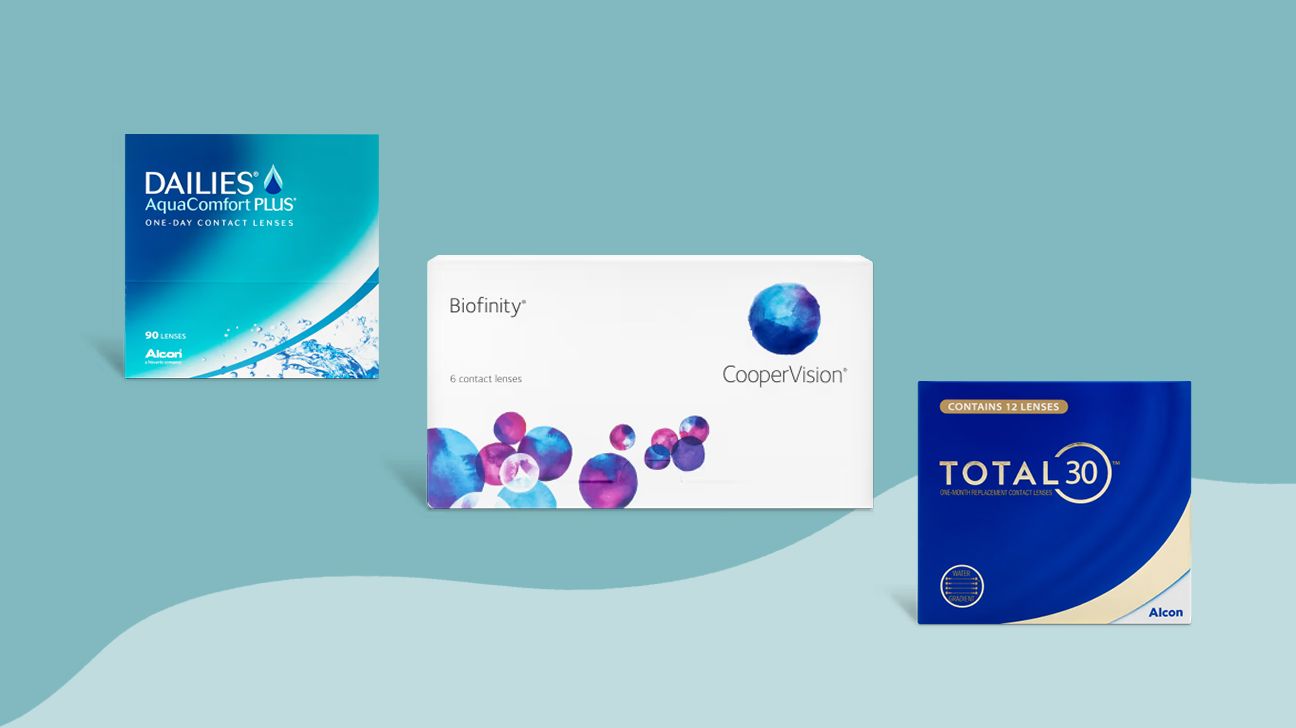
How We Vetted the Best Online Stores
Our Evaluation Criteria
Choosing where to buy your `rx contacts` online can feel overwhelming. To simplify your decision, we assessed the top retailers based on the criteria that matter most to customers. Our goal is to ensure you find a vendor that is not only affordable but also reliable and convenient.
We focused our evaluation on four key areas:
- **Insurance & Payment:** We prioritized stores that offer direct billing for customers with **vision insurance that covers contacts**. We also confirmed that they all accept payments from Flexible Spending Accounts (FSA) and Health Savings Accounts (HSA), making it easy to use your pre-tax dollars.
- **Cost & Value:** This goes beyond the sticker price. We looked at the overall value, factoring in competitive pricing on lenses, shipping costs, and the frequency of promotions or discount codes that can lead to significant savings.
- **Policies:** A company's policies reveal how much they value their customers. We reviewed return policies for fairness and flexibility and examined the responsiveness and helpfulness of their customer service teams.
- **Shipping:** When you need contacts, you often need them quickly. We evaluated the standard and expedited shipping turnaround times to see which retailers get your prescription to your door the fastest.
At-a-Glance: Best Online Eyewear Retailers for Contacts
To give you a quick overview, here’s how the leading **Online Eyewear** retailers stack up against each other. This table provides a snapshot of their key services and policies, helping you narrow down your options at a glance.
| Retailer | Accepts Vision Insurance | FSA/HSA Eligible | Standard Shipping Time | Key Feature | | :--- | :--- | :--- | :--- | :--- | | **GlassesUSA** | Yes (In-network support) | Yes | 7-10 days | Wide selection of brands & frequent discounts. | | **Warby Parker** | Yes (Select plans) | Yes | 7-10 days | Integrated online/in-store experience. | | **EyeBuyDirect** | No (Reimbursement only) | Yes | 7-14 days | Focus on budget-friendly options. | | **Zenni Optical** | No (Reimbursement only) | Yes | 7-14 days | Known for ultra-low-cost glasses, offers some contacts. | | **Lensabl** | No (Reimbursement only) | Yes | ~14 days | Specializes in lens replacement and subscription services. |
In-Depth Retailer Reviews
The Pros and Cons of Each
A side-by-side table is helpful, but the details make the difference. Here’s a closer look at the advantages and disadvantages of the top online contact lens stores.
- **GlassesUSA:** - Pros: As one of the largest **online contact retailers with insurance** integration, they make the payment process seamless. They carry an extensive catalog of major brands like Acuvue, Biofinity, and Dailies. - Cons: Their 14-day return policy is less generous than some competitors who offer 30 days or more.
- **Warby Parker:** - Pros: Known for a polished customer experience, Warby Parker offers its own daily contact lens brand, Scout, which is popular with its user base. Their mobile app makes reordering and managing prescriptions incredibly simple. - Cons: Their brand selection is very limited. If you don't wear their in-house brand or the few others they carry, you'll have to shop elsewhere.
- **EyeBuyDirect:** - Pros: True to its name, this retailer focuses on affordability. They consistently offer competitive pricing and run frequent promotions, making them a great choice for budget-conscious shoppers. - Cons: They do not directly bill vision insurance providers. You will have to pay out-of-pocket and submit a claim for reimbursement yourself, which adds an extra step.
While these reviews provide a solid foundation, the best retailer for you depends on your specific brand of lenses and your insurance plan. The next logical step is to directly compare costs for your prescription. By browsing a large marketplace, you can see real-time pricing and availability to make your final choice. To easily compare different vendors and find the best price for your lenses, start your search for prescription contact lenses.
【Essential `Eye Health`: Safety First】

Do Contact Lenses Expire? The Hard Truth
Yes, they absolutely do. Treating your `rx contacts` like non-perishable items is a serious mistake that can have painful consequences. The expiration date on the package is there for a critical reason related to your safety.
Understanding Expiration Dates
Your unopened prescription contacts have a limited shelf life, which is typically one to four years from the date of manufacture. This date is always printed clearly on the outer box.
The primary reason for this expiration is not the lens material itself, but the sterile saline solution it is stored in. Over time, the seal on the individual blister pack can degrade, allowing the solution to lose its sterility and pH balance. This transforms a safe medical device into a potential breeding ground for harmful bacteria.
As a non-negotiable rule for your well-being, **always check the expiration date on the box before opening a new set of lenses**. It’s a five-second check that can save you from a potential eye infection.
The Dangers of Misuse
Signs of Overwearing and Improper Care
Your eyes will often send clear warning signals when something is wrong. Recognizing the **symptoms of overwearing contacts** is your first and most important line of defense. Be alert for:
- Redness, persistent pain, or general irritation - Blurry vision or increased sensitivity to light - A constant feeling that something is in your eye (also known as a foreign body sensation)
Ignoring these symptoms can lead to severe issues. So, **what is keratitis from contacts?** It is a painful inflammation or, in worse cases, an infection of the cornea (the transparent front part of the eye). It's often caused by bacteria, fungi, or other microorganisms that contaminate the lens. According to CDC data, contact lens-related keratitis leads to an estimated 1 million clinic and ER visits in the U.S. annually. The primary risk factors are overwearing lenses, poor hygiene, and sleeping in your contacts.
Can You Sleep in Contact Lenses?
An Expert Warning on Overnight Wear
This is one of the most frequently asked questions, and the answer from experts is an overwhelming and resounding "No," with a single, specific exception.
The expert consensus among eye care professionals is clear: **you should never sleep in your contacts** unless they are specifically FDA-approved for extended or continuous wear, and you are doing so under the direct guidance of your optometrist.
Sleeping in standard lenses dramatically increases your risk of sight-threatening eye infections—by some estimates, the risk is 6 to 8 times higher. This dangerous habit traps debris and bacteria against your eye while significantly reducing the cornea's oxygen supply, creating a perfect storm for infection.
A first-person testimonial from a contact lens wearer highlights the danger: *"I thought sleeping in my contacts for just one night wouldn't hurt. I woke up with my eye sealed shut and a painful infection that took weeks to clear."*
Maintaining optimal eye health is a partnership between you and your eye doctor. Following safety protocols, like verifying expiration dates and practicing impeccable hygiene, is your responsibility. If you're worried your current supply is expired or you need to reorder to avoid the temptation of overwearing your lenses, securing a fresh, safe supply is the best next step. To guarantee you have a new, sterile supply that meets your prescription, you can order directly from a trusted marketplace with a full selection of safe rx contacts.
【Mastering Contact Lens Care】
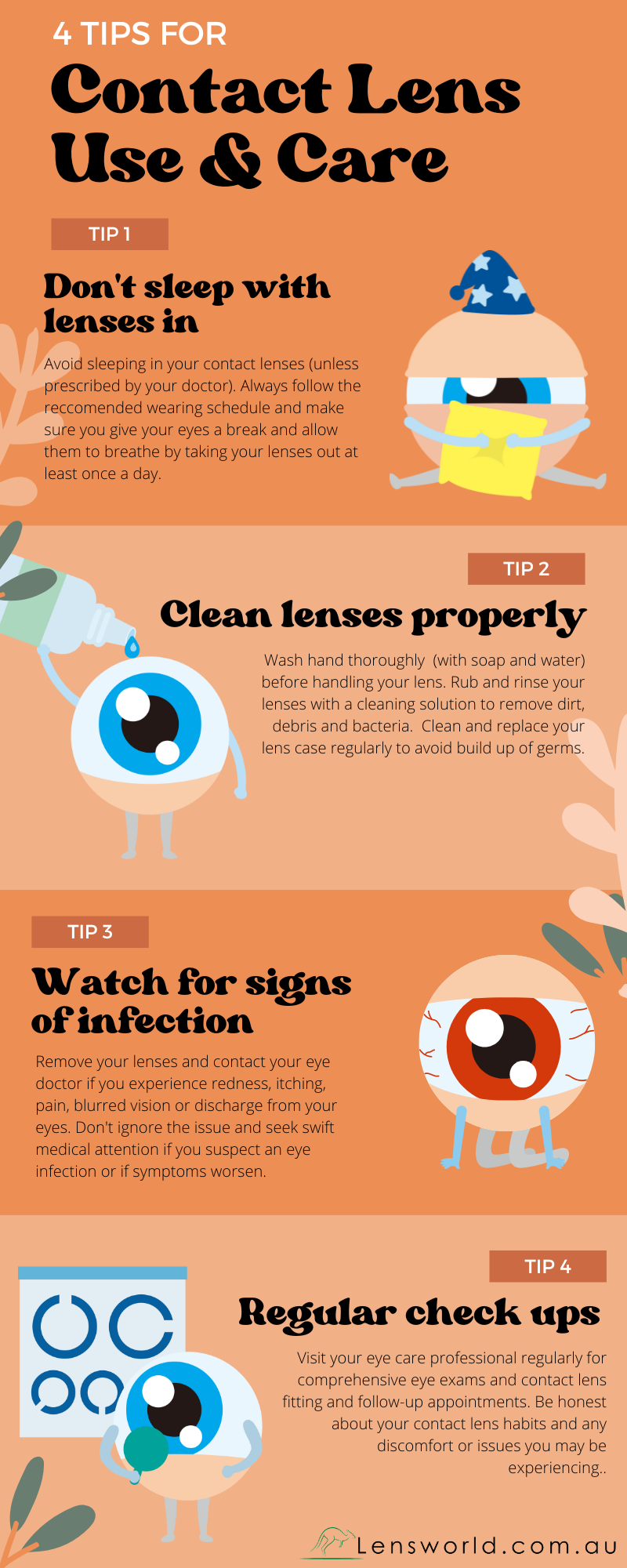
Proper hygiene is not optional; it's the most critical habit you can develop as a contact lens wearer. Following a strict cleaning regimen is your best defense against painful and potentially sight-damaging infections.
How to Clean Contact Lenses Properly
The "Rub and Rinse" Method
Forget shortcuts. The only safe and effective cleaning technique endorsed by eye care professionals is the "rub and rinse" method. This physical cleaning step is essential for removing buildup and disinfecting your `rx contacts`.
This process should become a non-negotiable part of your daily routine. Here’s how to do it perfectly every time, regardless of the specific **contact lens solution types** you use (always follow the manufacturer's directions).
- **Step 1:** Before you touch your lenses, wash your hands thoroughly with a mild, non-oily soap and water. Dry them with a clean, lint-free towel to avoid transferring any residue to your lenses.
- **Step 2:** Carefully remove one lens and place it in the clean, dry palm of your hand.
- **Step 3:** Apply a generous amount of fresh contact lens solution to the lens. Using your fingertip, gently rub the lens in a back-and-forth motion for about 20 seconds. This friction is crucial for dislodging proteins, lipids, and debris.
- **Step 4:** Rinse the lens thoroughly with another stream of fresh solution to wash away all the loosened buildup. Then, place it into a clean, dry contact lens case filled with *new* solution.
A critical reminder that can't be overstated: **NEVER** use tap water, distilled water, or saliva to clean or store your lenses. Tap water contains dangerous microorganisms, like Acanthamoeba, that can cause severe corneal infections and vision loss.
Recognizing an Eye Infection
When to Remove Your Lenses and Call a Doctor
Even with diligent care, infections can happen. Knowing the warning signs allows you to act quickly and protect your vision. If your eyes don't look good, feel good, or see well, you have a problem.
If you experience any of the following **eye infection from contacts symptoms**, you must act immediately.
- Persistent eye pain or redness that doesn't go away.
- Unusual discharge from your eye, especially if it's yellow, green, or thick.
- Sudden blurry vision or increased sensitivity to light.
- Excessive tearing or swelling of the eyelids.
**Immediate Action:** The moment you notice any of these symptoms, remove your contact lenses. Do not throw them away; place them in their case and bring them with you to your eye doctor's appointment. Do not wear any contact lenses again until you have been examined and cleared by your optometrist.
Proper care is a combination of routine and having the right supplies. Using the wrong solution or an old case can compromise your efforts. To ensure you have the correct, sterile solution and accessories for your specific needs, you can explore a full range of care products alongside your next order of new rx contacts.
【FAQs: Your RX Contacts Questions Answered】
We get it—navigating the world of prescription contacts can bring up a lot of questions. Below, we've compiled answers to some of the most common queries we receive, helping you manage your eye health with confidence.
How Often Should You Replace Your Contact Lenses?
Adhering to your prescribed replacement schedule is not a suggestion—it's a critical medical instruction designed to protect your vision. This timeline is determined by your eye care professional based on the lens material and your eye's specific needs.
The replacement frequency is your primary defense against the buildup of proteins, lipids, and other deposits that naturally accumulate on lenses. Over-wearing them significantly increases your risk of discomfort, blurred vision, and serious eye infections.
- **Daily Disposables:** These are designed for single use only. They should be inserted in the morning and thrown away at the end of the day. Never reuse them.
- **Monthly Lenses:** These must be discarded approximately 30 days after you open the sterile blister pack. This is true even if you only wore them a few times during that month. The clock starts ticking once the seal is broken.
Understanding `how often should you replace your contact lenses` is fundamental to safe and comfortable wear.
How Do I Buy Prescription Contacts Online?
Buying prescription eyewear online is a simple and convenient process. Here is a quick checklist to guide you through your first order, ensuring it's smooth and accurate.
1. **Get a Valid Prescription:** First, you need a current and valid contact lens prescription from your optometrist. This is non-negotiable and legally required. It will contain all the specific parameters for your vision correction.
2. **Choose a Reputable Retailer:** Select a trusted online seller that verifies prescriptions to ensure you receive authentic, safe products.
3. **Enter Your Details:** Carefully choose the brand and type of lens you were prescribed. You will need to enter the power, base curve (BC), and diameter (DIA) for each eye exactly as they appear on your prescription.
4. **Use Your Benefits:** If you have `vision insurance that covers contacts`, check if the retailer can apply your benefits at checkout. You can also use your FSA or HSA card for payment.
5. **Complete the Purchase:** After you place your order, the retailer will verify your prescription information with your doctor's office before shipping your lenses directly to you.
Can I Use FSA for Contact Lenses?
Yes, absolutely. If you're wondering, `can I use FSA for contact lenses`, the answer is a definite yes. Your Flexible Spending Account (FSA) and Health Savings Account (HSA) are specifically designed to help you pay for qualified medical expenses with pre-tax dollars.
Contact lenses fall squarely into this category as defined by the IRS. This benefit isn't just limited to the lenses themselves. You can also use these health savings funds to purchase essential supplies like contact lens solution, cleaning cases, and even to cover the cost of your annual eye exam. The process is seamless—most people use their FSA/HSA debit card at checkout or submit an itemized receipt to their plan administrator for reimbursement.
Navigating these key aspects of lens care makes the entire process more manageable. Once you have your prescription and understand your payment options, the final step is getting the right product. Visiting a comprehensive online store allows you to easily find the specific brand and type you need, ensuring you can quickly order your rx contacts and have a fresh supply delivered to your door.
【Your Path to Clear Vision and Healthy Eyes】
Navigating the world of prescription contact lenses doesn't have to be complicated. By equipping yourself with the right knowledge, you can ensure you're making the best choices for both your vision and your long-term eye health. This guide has armed you with the critical information needed to move forward with confidence.
Here’s a summary of the key takeaways:
* **Understand Your Prescription:** A valid prescription is your starting point. Knowing what terms like Power (PWR), Base Curve (BC), and Diameter (DIA) mean is essential for ordering the correct rx contacts.
* **Choose the Right Lens Type:** Your decision between daily and monthly disposables, or soft and rigid gas permeable (RGP) lenses, should be based on a combination of your lifestyle, budget, and specific vision needs as determined by your eye doctor.
* **Shop Smart Online:** Purchasing online offers convenience and value, but it's vital to choose a reputable retailer. Compare prices, check for insurance and FSA/HSA eligibility, and understand shipping and return policies before you buy.
* **Prioritize Safety Above All:** Your eye health is non-negotiable. Always adhere to your prescribed replacement schedule, practice the “rub and rinse” cleaning method diligently, and never sleep in your lenses unless they are specifically approved for overnight wear under a doctor's supervision. Always check expiration dates to avoid the risk of serious infection.
By following these principles, you transform from a passive consumer into an empowered patient who takes an active role in their eye care. You are now prepared to select the right products, use them safely, and enjoy the freedom and clarity that contact lenses provide. When you are ready to find the exact lenses you need, a trusted online marketplace is your most valuable tool.
MjAyNTA3MjMxNTUzMDk 当前显示MjAyNTA3MjMxNTUzMDk。


Comments
Post a Comment