Readers Reading Glasses: The Ultimate Strength & Style Guide 2025
Are you holding your phone at arm's length just to see the screen clearly? This common sign of presbyopia, or age-related farsightedness, doesn't have to result in headaches and eye strain. The key is understanding that not all reading glasses are created equal, and choosing the right pair is essential for sharp, comfortable vision. This guide will empower you to select the perfect spectacles by explaining everything from lens strength and advanced technology to frame materials and style. To instantly solve your focusing issues and see clearly again, explore a curated selection of high-quality readers reading glasses designed for superior comfort and clarity.
Understanding Your Vision Needs

The Real Reason You're Squinting: An Intro to Presbyopia
Ever find yourself holding your phone at arm's length just to read a text? You are not alone. This common change in vision is likely due to presbyopia, a natural part of aging that affects your ability to focus up close.
Presbyopia is simply age-related long-sightedness. As you get older, the lens inside your eye becomes less flexible, making it much harder to focus on close objects. This change typically starts to affect people in their early to mid-40s.
Symptoms of Presbyopia: More Than Just Blurry Text
The most obvious sign of presbyopia is difficulty reading small print, resulting in blurry text. But are there other symptoms? Absolutely. You might also experience significant eye strain or headaches after reading or doing close-up work. Needing brighter light to see clearly is another common indicator.
Correcting Age-Related Long-Sightedness with Readers
Fortunately, correcting this focusing issue is straightforward. The simplest solution for many is a pair of readers reading glasses. These glasses have magnifying lenses that help your eyes focus on nearby objects, making reading and other close tasks comfortable again. They provide the extra focusing power your eyes have lost over time.
Prescription vs. Over-the-Counter Readers: A Critical Choice
When you realize you need help with reading, you face a key decision. Should you grab a pair from the local pharmacy, or do you need a prescription from an eye doctor? This is a critical choice that depends entirely on your specific vision needs.
What Are "Ready Readers" and Where Do You Find Them?
"Ready readers," also known as over-the-counter (OTC) readers, are pre-made magnifying glasses. You can find these affordable reading aids in drugstores, supermarkets, and especially online. They come in various strengths (diopters), typically ranging from +1.00 to +3.50, and are the same power in both lenses.
Do I Need an Eye Test for Readers? An Optometrist's View
So, is an eye test in 2025 truly necessary for a simple pair of readers? According to optometrist guidelines, while not always mandatory for basic OTC readers, a comprehensive eye exam is highly recommended. An exam can rule out other eye health issues and determine if you have different vision needs in each eye or astigmatism, which OTC readers cannot correct.
If your vision is more complex, you will need custom rx lenses to ensure perfect clarity and comfort. For those with simple, uniform presbyopia, a quality pair of non-prescription glasses can be a perfect fit. To address your immediate need for clearer vision, you must find the right strength and style for your daily tasks.
Exploring a comprehensive collection allows you to compare different powers and frame designs from home, solving the problem of blurry text instantly. Begin your search for stylish reading glasses for women.
The Hidden Dangers of Cheap Readers

While the low price of drugstore readers reading glasses can be tempting, have you ever stopped to wonder if they might be doing more harm than good? The truth is, that bargain pair could come with hidden costs to your comfort and visual health. It's crucial to understand the potential drawbacks before making a purchase.
Are Cheap Reading Glasses Harmful to Your Eyes?
So, will a pair of cheap reading glasses cause permanent damage to your eyesight? While optometrists generally agree they won't cause lasting harm, they can certainly lead to significant discomfort. The primary issues with low-cost spectacles stem from poor quality control in both the lenses and the frames, resulting in problems you can feel immediately.
When +2.00 Strength Isn't Really +2.00: An Optometrist's Findings
One of the biggest issues with mass-produced readers is lens accuracy. According to optometrist findings, the power labeled on the sticker may not be what you actually get. A pair marked as +2.00 strength could have one lens at +1.80 and the other at +2.15. This inconsistency forces your eyes to work against each other to focus, a direct cause of headaches and severe eye fatigue.
The Pupillary Distance Problem in Mass-Produced Glasses
Another critical factor is pupillary distance (PD), the measurement between the centers of your pupils. For optimal vision, the optical center of your lenses must align perfectly with your PD. Mass-produced glasses are made with a single, average PD that doesn't fit everyone. A poor PD match means your eyes are looking through the incorrect part of the lens, which can lead to dizziness, distorted vision, and eye strain.
Frame Quality and The Causes of Eye Strain
Beyond the lenses, the quality of the frame itself plays a massive role in your overall comfort. A poorly constructed frame is a primary cause of eye strain, not because of the optics, but because of the physical discomfort it creates. You should never have to tolerate glasses that pinch or slip.
The Importance of Flexible Frame Reading Glasses
Investing in flexible frame reading glasses made from superior materials can make a world of difference. These frames are designed for durability and a comfortable, secure fit that adapts to your unique head shape. Whether you're drawn to classic styles or fashionable round glasses, a flexible and well-constructed frame prevents pressure points behind the ears and on the nose, allowing you to wear them for hours without irritation.
How Poorly Made Frames Lead to Discomfort and Eye Strain
Conversely, poorly made frames often have a host of problems. They can be imbalanced, causing them to constantly slide down your nose. This forces you to tilt your head into an unnatural position to see clearly. Stiff, unyielding arms can also pinch the sides of your head, leading to tension headaches. This constant physical discomfort and need for readjustment directly contribute to eye strain and a frustrating reading experience.
To avoid the pitfalls of inaccurate lenses and uncomfortable frames, it's essential to choose from a reliable source. Exploring a collection of professionally crafted eyewear ensures you get the exact strength you need with a superior fit. Solve your search for clear and comfortable vision by browsing a wide range of high-quality reading glasses for men and women.
How to Choose Your Perfect Readers

Now that you understand the risks of poorly made spectacles, how can you select the perfect pair of readers reading glasses? Making the right choice involves more than just picking a frame you like. It's about matching the lens strength, technology, and design to your specific daily needs for a truly comfortable experience.
Finding Your Strength: A Simple Guide
The most critical factor in choosing your reading glasses is the magnification power, also known as diopter strength. Getting this right is the foundation of clear, strain-free vision. But how do you determine the correct number for you without an optometrist's exam?
How to Choose Reading Glasses Strength for Your Needs
Finding your ideal reading glasses strength can be straightforward. A simple method is the "print test." Visit a store and pick up some reading material. Hold it about 14-16 inches away from your face, which is a standard reading distance.
Start by trying on the lowest power available, typically +0.75 or +1.00. Work your way up until the text becomes sharp and clear without any fuzziness. The rule of thumb is to choose the lowest strength that allows you to read comfortably. Going too high can cause unnecessary eye strain and headaches.
Reading Glasses Magnification Chart: A Starting Point
For a general idea of where to begin, you can use a reading glasses magnification chart based on age. As we get older, presbyopia (age-related farsightedness) progresses, requiring stronger magnification. Here is a typical guide for 2025:
- Age 40-44: +0.75 to +1.00
- Age 45-49: +1.25 to +1.50
- Age 50-54: +1.75 to +2.00
- Age 55-59: +2.25 to +2.50
- Age 60+: +2.50 to +3.00
Remember, this chart is just an estimate. If your eyes have different needs or you require a more precise correction, consulting a professional for custom rx lenses is the best course of action.
Lens Technology: Beyond Simple Magnification
Modern readers reading glasses offer much more than simple magnification. Advanced lens coatings and technologies are designed to solve specific visual challenges, especially those related to our digital world. These features can dramatically improve your comfort and protect your eyes.
The Rise of Blue Light Blocking Reading Glasses
Do you spend hours reading on a phone, tablet, or computer? If so, Blue Light Blocking Reading Glasses are a game-changer. These spectacles have lenses treated with a special filter that blocks a portion of the high-energy blue light emitted from digital screens.
This technology helps reduce digital eye strain, minimize headaches, and can even improve your sleep patterns by not interfering with your body's melatonin production. They are an essential tool for anyone who reads or works on a screen.
Anti-Glare Reading Glasses: Are They Worth It?
The short answer is yes. Anti-Glare Reading Glasses, which feature an anti-reflective (AR) coating, are absolutely worth the investment. This microscopic coating eliminates reflections from the front and back of your lenses, reducing the distracting glare from overhead lights or windows.
With an AR coating, more light reaches your eyes, resulting in sharper, clearer, and more comfortable vision. This is especially beneficial for night driving and working in brightly lit offices, as it significantly reduces eye fatigue.
The Future of Reading: A Look at E-Ink VR Glasses
Looking ahead in 2025, the future of immersive reading is taking shape with E-Ink VR Glasses. This innovative technology combines the eye-friendly, paper-like display of an e-reader with the form factor of a virtual reality headset.
These devices promise a private, distraction-free reading environment that is incredibly gentle on the eyes. By eliminating the harsh backlight of traditional screens, they could allow for hours of comfortable reading without the typical digital eye strain.
Best Reading Glasses for Computer Use
Using a computer presents a unique visual challenge that standard reading glasses aren't designed to solve. The distance to your screen is different, and the nature of the light is harsher. That's why specialized computer glasses are often the best reading glasses for computer use.
Why Screen Readers are Different from Standard Readers
Why can't you just use your book-reading glasses for the computer? The main reason is the focal distance. We hold a book about 14-16 inches away, but a computer screen is typically in the "intermediate" zone, about 20-25 inches from our eyes.
Using reading glasses designed for close-up work can force you to lean forward or tilt your head back, causing neck and back pain. Computer glasses are specifically powered for this intermediate distance, allowing you to see the screen clearly while maintaining a natural, ergonomic posture.
The Connection Between Computer Use and Vision Health
There is a direct connection between computer use and vision health. Prolonged screen time can lead to Computer Vision Syndrome (CVS), a condition with symptoms like dry eyes, headaches, blurred vision, and general eye fatigue.
Computer-specific readers address these issues directly. They provide the correct magnification for your screen's distance and often incorporate blue light filtering and anti-glare coatings. This combination is designed to alleviate the symptoms of CVS and promote better long-term eye health.
To address all these factors—from finding the precise strength to selecting advanced lens features for computer use—it's crucial to shop from a selection that prioritizes quality and variety. Explore a comprehensive collection to find your perfect pair of readers reading glasses and ensure your vision is clear, comfortable, and protected in every situation.
Style, Comfort, and Frame Selection
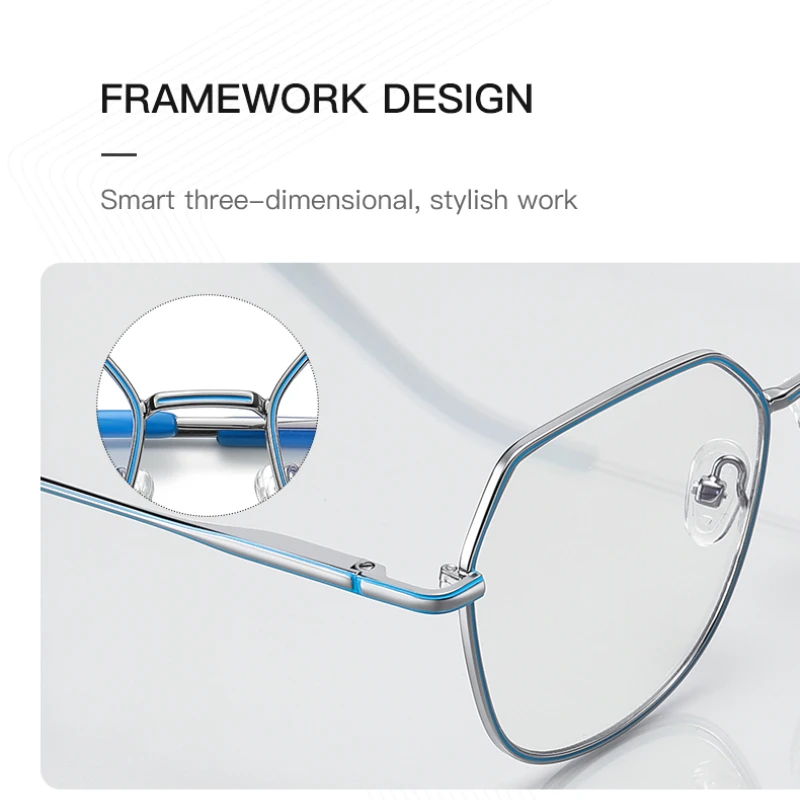
Once you've determined the right lens strength and technology, the next step is choosing a frame. The perfect frame for your readers reading glasses does more than just hold the lenses in place. It complements your face, expresses your personality, and ensures all-day comfort.
Finding Frames That Flatter and Function
Are you looking for eyewear that is both stylish and practical? The right frames can elevate your look from a simple tool to a fashion statement. Let's explore how to find a pair that feels great and looks even better.
Stylish Readers for Women: The Oprah-Approved Look
Long gone are the days of generic, uninspired spectacles. In 2025, stylish readers for women are a key fashion accessory. Think of the "Oprah-approved look"—bold, confident, and full of personality. Statement frames, such as colorful cat-eye, chic oversized squares, or sophisticated tortoise-shell patterns, allow you to express your unique style. Why settle for bland when your eyewear can be a conversation starter?
Men's Cool Reading Glasses: Beyond the Drugstore Rack
For men, great eyewear is a mark of sophistication. It's time to move beyond the flimsy, disposable options on the drugstore rack. Men's cool reading glasses combine timeless design with durable materials. Classic shapes like the Wayfarer or modern minimalist metal frames offer a sharp, put-together appearance. Investing in a well-made pair of readers ensures not only clear vision but also a boost of confidence.
The Great Debate: Frame Design and Materials
The design of the frame and the material it's made from are critical for your daily comfort and use. Do you need to see over your lenses frequently? Do you have sensitive skin? Answering these questions will guide you to the perfect construction for your needs.
Full Frame vs. Half Frame Readers: A Practical Comparison
The choice between full frame and half frame readers comes down to how you use them. Full-frame glasses are ideal for prolonged periods of reading, as they provide a large, uninterrupted field of view. However, you'll need to remove them to see clearly in the distance.
In contrast, half frame readers, sometimes called "half-moon" or "Ben Franklin" style, sit lower on your nose. This clever design allows you to easily look over the top of the lenses for distance vision without taking your glasses off. They are perfect for multitasking, like reading a report while glancing up at a presentation or watching TV.
The Best Material for Glasses Frames: From Plastic to Metal
What is the best material for glasses frames? It depends on your priorities. Acetate, a high-quality plastic, is a popular choice because it's durable and available in a vast array of colors and patterns. Just as frame colors allow for personal expression, so can lens tints. While not for reading, options like stylish green sunglass lenses show how color can merge fashion with function.
Metal frames, such as stainless steel or titanium, offer a sleek, lightweight, and modern aesthetic. Titanium is an excellent premium option as it is incredibly strong, feather-light, and hypoallergenic, making it ideal for those with sensitive skin.
Why Lightweight Reading Glasses Might Be Your Best Bet
If you wear your reading glasses for hours at a time, comfort is non-negotiable. This is why lightweight reading glasses are often the best choice for daily users. Heavy frames can put uncomfortable pressure on the bridge of your nose and behind your ears, leading to soreness and headaches.
Materials like titanium and advanced polymers like TR90 create frames that are so light you might forget you're even wearing them. This focus on comfort ensures you can read, work, and focus without any physical distraction from your eyewear.
Finding the perfect pair means balancing style, function, and material to match your lifestyle. To see how all these elements come together, it's helpful to browse a collection that offers a wide variety of options. Discovering a pair that fits your face shape and personal taste is the final step to perfect vision. Exploring a wide range of frame styles allows you to compare materials and designs side-by-side to find the readers reading glasses you'll love to wear.
Your Ultimate Guide to Selecting the Perfect Readers
Choosing the right readers is a crucial decision for maintaining comfortable vision as you age. This guide has walked you through the essential factors, starting with understanding presbyopia as a natural and manageable change. We've highlighted the significant risks associated with cheap, mass-produced glasses, such as inaccurate lens strength and incorrect pupillary distance, which can lead to headaches and eye strain. Remember, the labeled strength on a drugstore pair might not be what you're actually getting.
To make an informed choice, start by finding your correct magnification power using a simple print test or an age-based chart as a reference. Beyond strength, consider modern lens technologies that enhance your visual comfort. Blue light blocking lenses are a must for anyone using digital devices, while anti-glare coatings reduce eye fatigue from harsh lighting. Finally, the frame you choose is just as important as the lenses. Whether you opt for a full-frame or half-frame design, selecting a lightweight and durable material like titanium or flexible acetate will ensure all-day comfort. By investing in a high-quality pair of readers reading glasses, you are prioritizing not just clear vision, but your overall well-being and personal style.


Comments
Post a Comment